Grand opening, up to 15% off all items. Only 3 days left

Choosing a new television in 2026 can feel overwhelming, especially with terms like “Smart TV” and “Android TV” used everywhere. While both offer internet connectivity and built-in apps, the differences in operating systems, features, and long-term usability can significantly impact your viewing experience. If you’re planning to shop at QRS, one of Kerala’s top electronics retailers, understanding what sets these two categories apart becomes even more important. From app availability and voice control to performance, pricing, and ecosystem compatibility, each platform has its own strengths. This guide simplifies the comparison, helping you decide which TV type best matches your lifestyle, preferences, and budget before making your next big purchase.
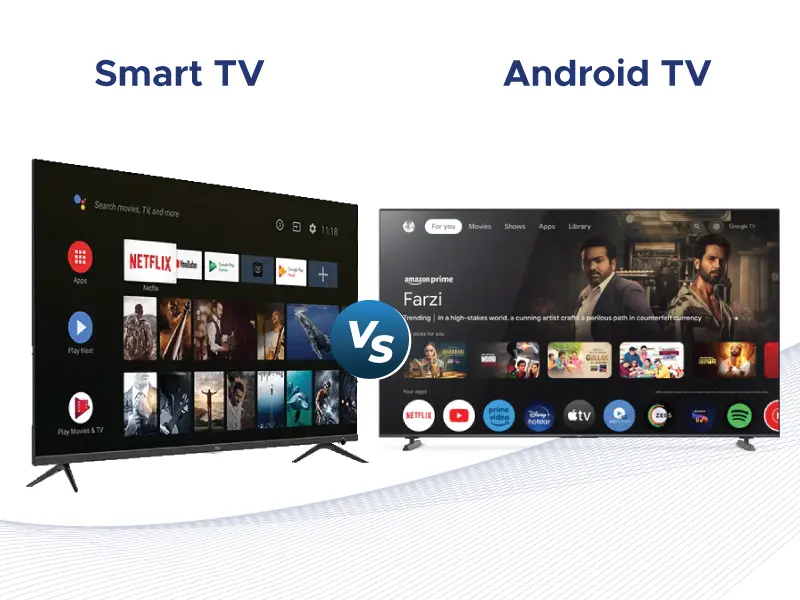
Smart TV is a broad term for any TV that connects to the internet and offers built-in apps like Netflix, YouTube, and more. The operating system (OS) can be anything: Samsung’s Tizen, LG’s webOS, Google TV, or proprietary OSes.
Android TV, on the other hand, refers to TVs that run Google’s Android-based OS (or its newer variant, Google TV). These TVs come with the Google Play Store, Google Assistant, built-in Chromecast, and tight integration with other Google services.
You’re Deep in the Google Ecosystem
If you own a Pixel phone, use Google Home devices, or cast content via Chromecast, an Android TV / Google TV makes a lot of sense. The built-in integration and ease of casting make for a smoother experience.
You Want Simplicity
For users who just want to use Netflix, Prime, and live TV without navigating a lot of menus, a proprietary OS smart TV (e.g., Samsung’s Tizen) can feel more intuitive and lightweight.
Budget vs Performance
If you’re looking for a premium TV experience with rich apps, gaming, or gaming-like performance, Android TVs often justify their extra cost. But for large TVs in the mid-range, a Smart TV OS can deliver more value per rupee.
Long-Term Reliability
Android TVs may have better long-term app support given Google’s backing. If you plan to keep your TV for many years, this is a compelling argument.
Gaming
For casual gamers, Android TV’s app library and power may be useful. For more serious gamers, consider whether the TV supports high refresh rates, HDMI 2.1, and whether you want a console or cloud gaming device.

Here are some standout recommendations from QRS’s offerings:
These products show how QRS stocks a healthy mix of Android-based and other smart TVs — giving consumers real choices.
Deciding between a Smart TV and an Android TV in 2026 depends on how you plan to use your television. Android TV/Google TV stands out for its vast app ecosystem, powerful Google integration, frequent updates, and smoother performance — making it ideal for tech-savvy users, gamers, and anyone already using Android or Google Home devices. On the other hand, proprietary Smart TVs from brands like Samsung and LG deliver simple, intuitive interfaces, strong brand-specific features, and excellent value for everyday streaming. With QRS offering a wide range of both Android and Smart TV models, you can easily choose a TV that fits your budget, performance expectations, and preferred smart ecosystem without compromise.
We use cookies that are necessary for the smooth operation of the website, to improve our website and to display advertising relevant to you on social media platforms and partner websites. By clicking "Accept all", you agree to the use of cookies for convenience features and statistics and tracking. You can change these settings again at any time. If you do not agree, we will limit ourselves to technically necessary cookies. For more information, please see our privacy policy .
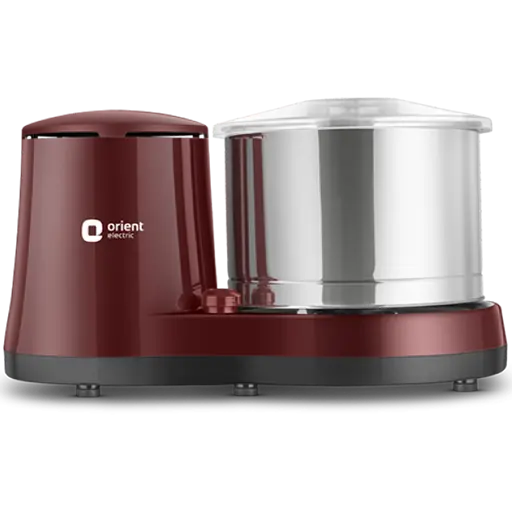 Wet Grinder
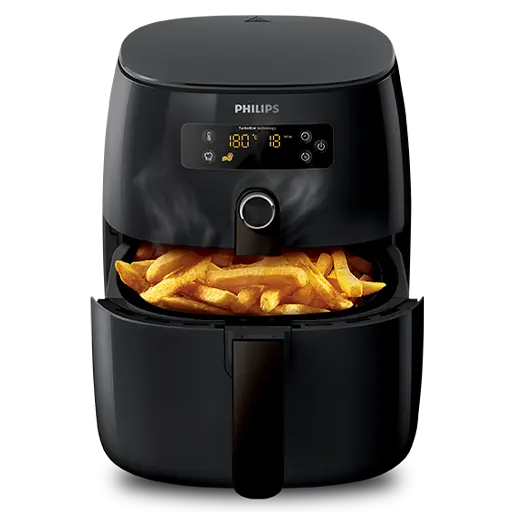 Air Fryer
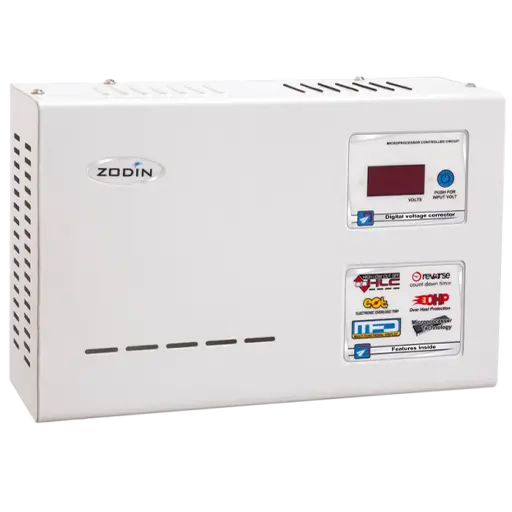 Stabilizer
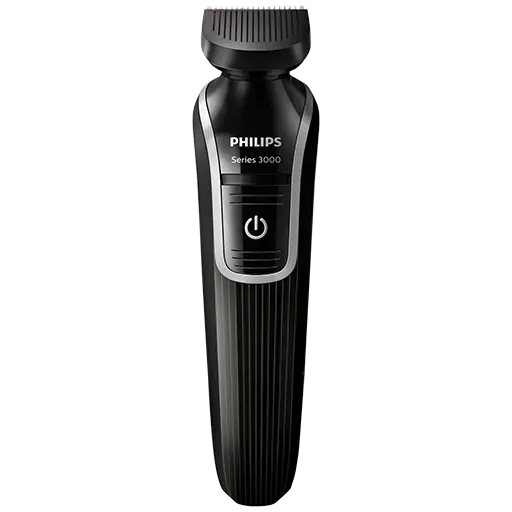 Beard Trimmer
 Electric Tooth Brush
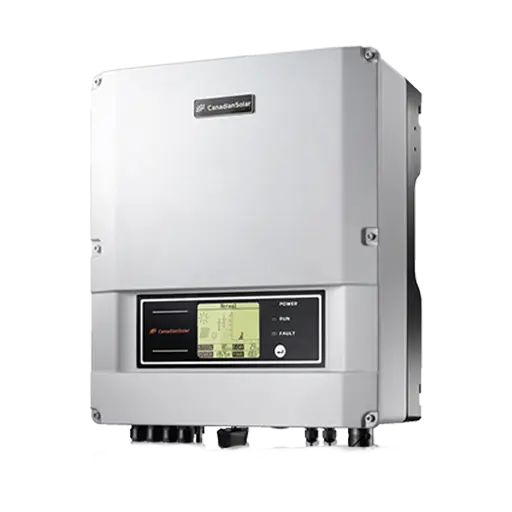 Inverter
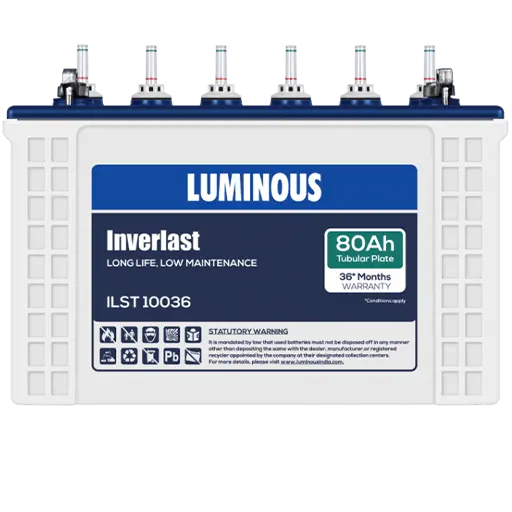 Batteries
 Hair Dryer
 Radio
Radio
 Pressure Cooker
 Gas Hob
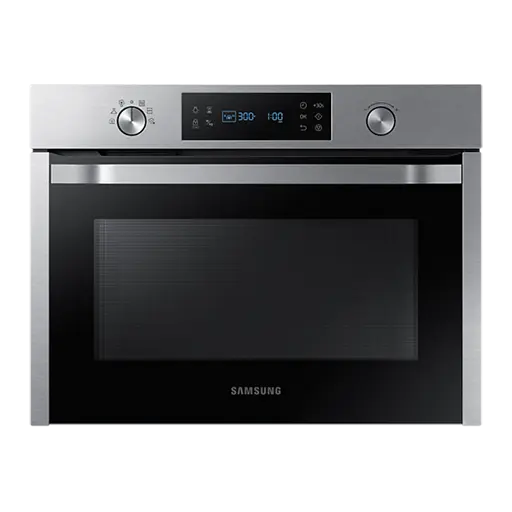 Bulit in Micro Oven
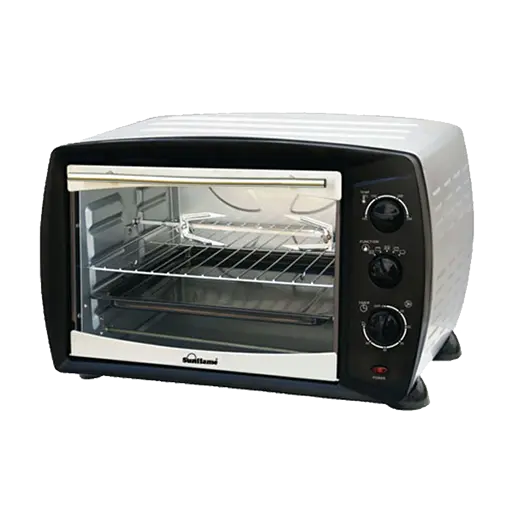 OTG-Oven
 Tiller
 Brush Cutter
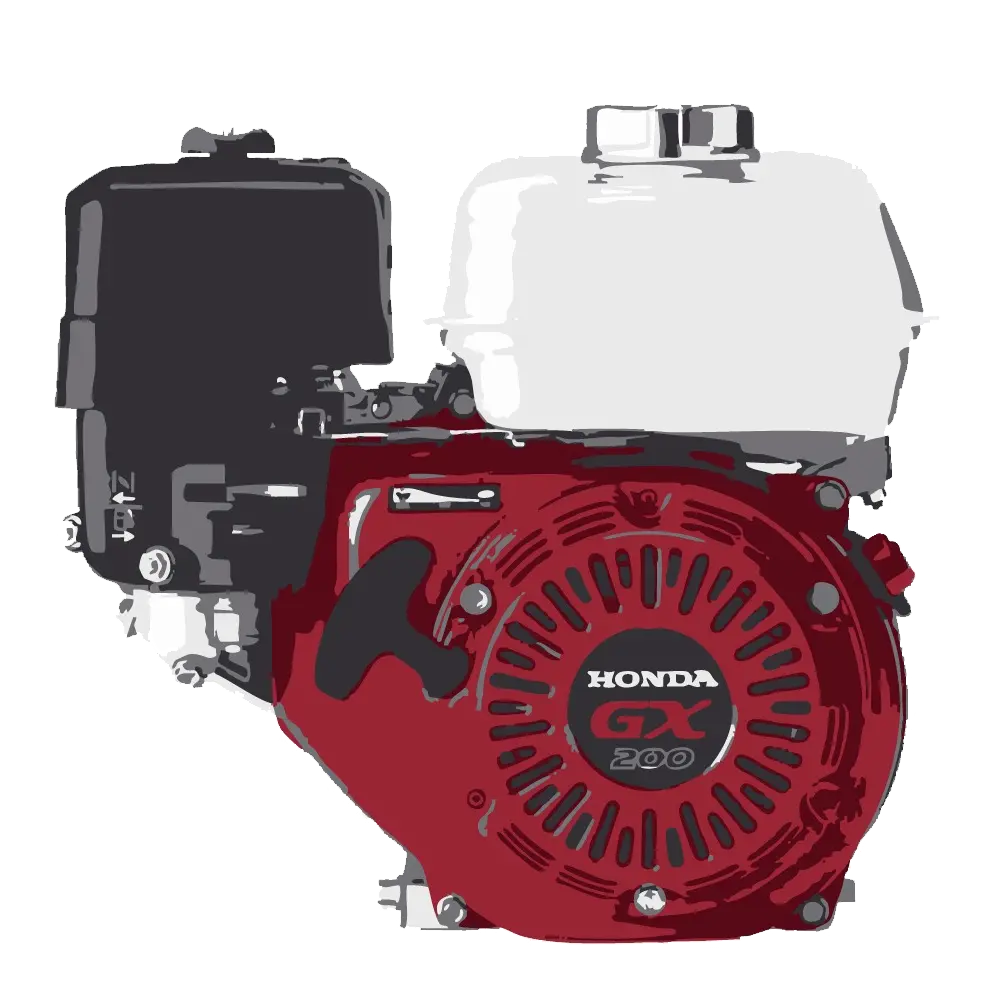 Engine
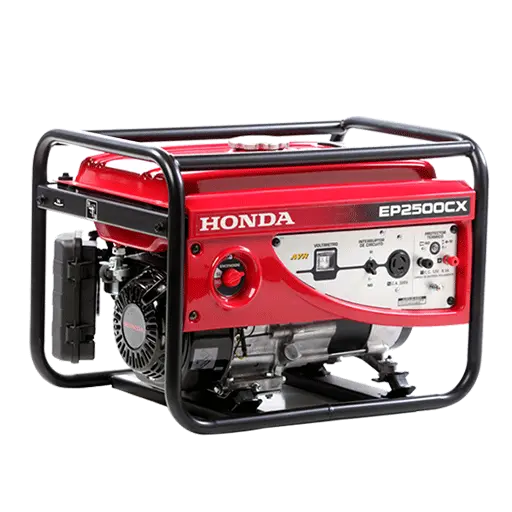 Generator
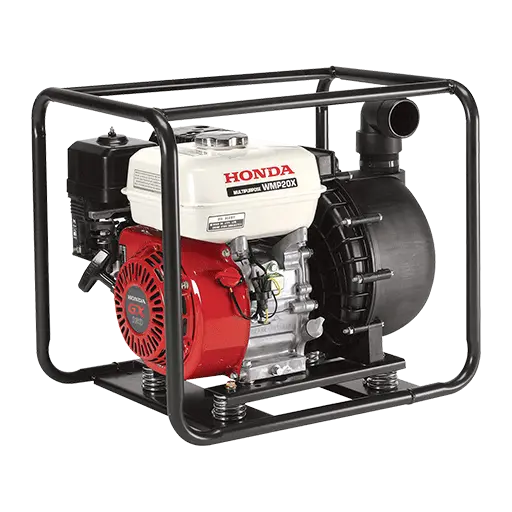 Honda Pump
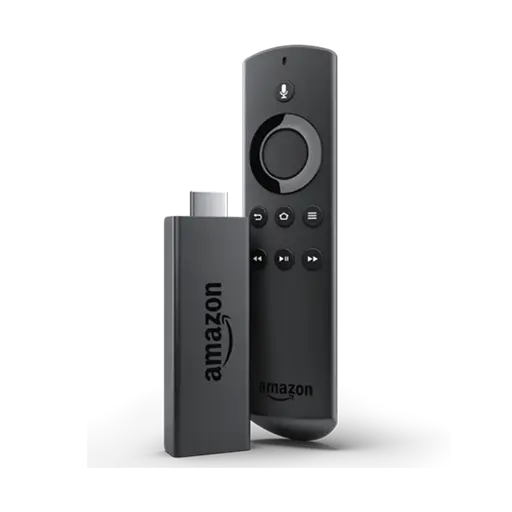 Amazon Fire TV Stick
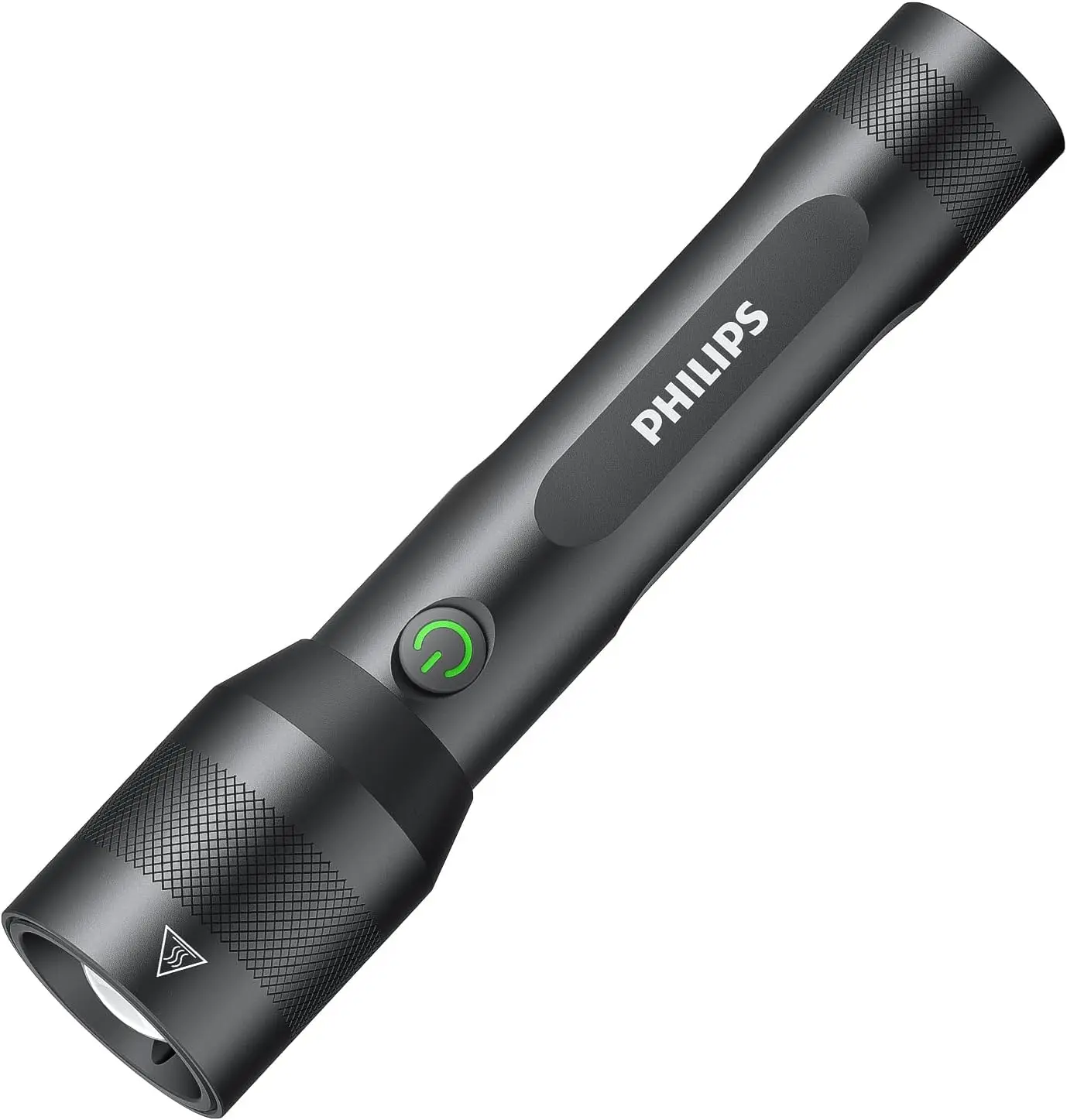 Torch Light
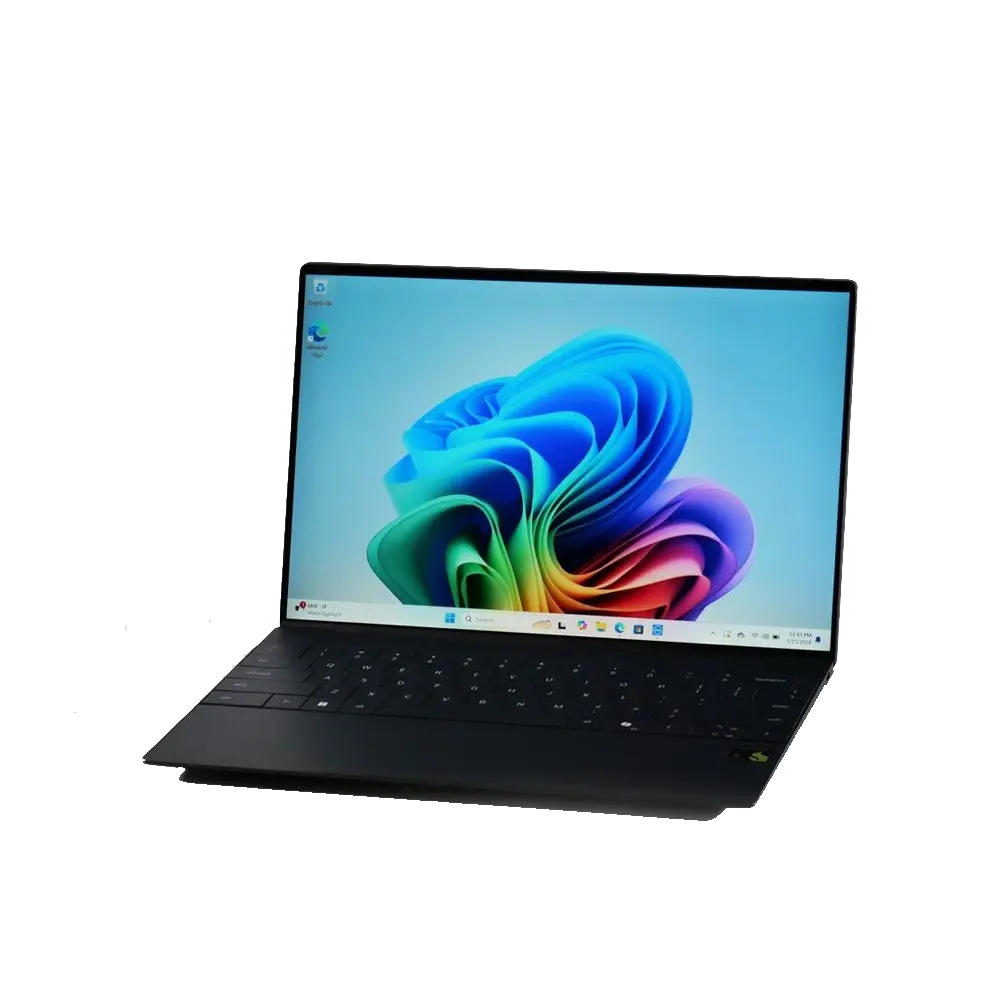 LapTop
 Instamani Noodle Maker
 Dish Washer
 Mobile Phones
 Gas Stoves
 Induction Cooktop
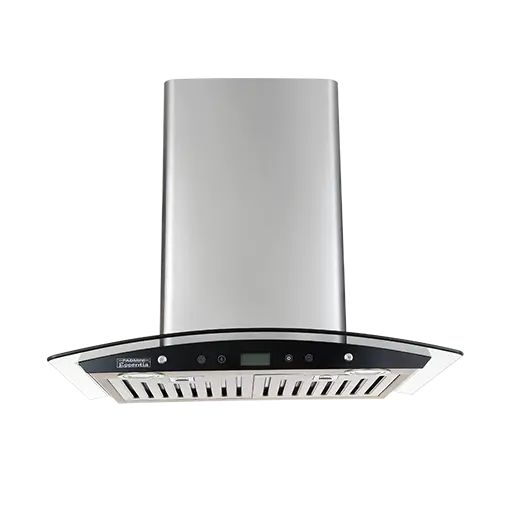 Electric Chimney
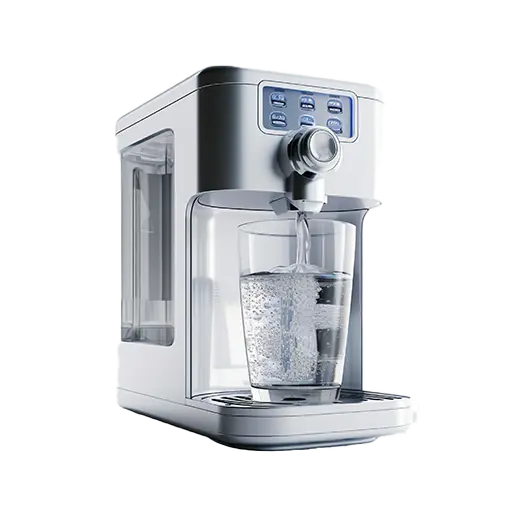 Water Cooler
 Vacuum Cleaner
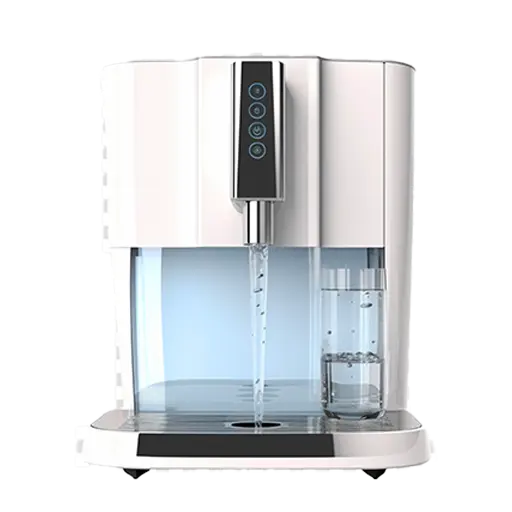 Water Purifier
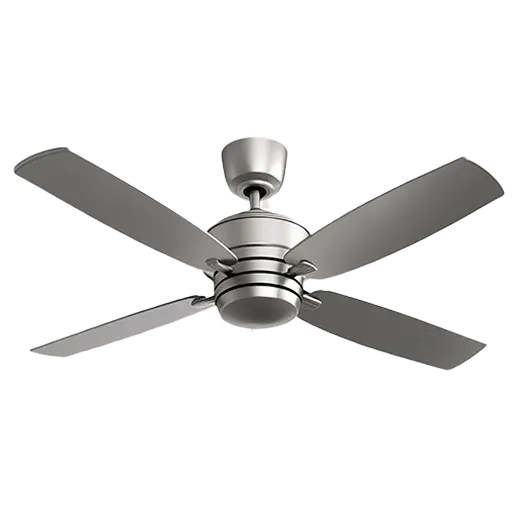 Fan
Fan
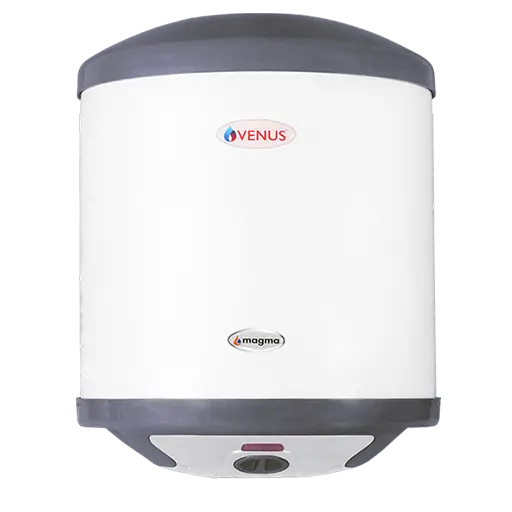 Water Heater
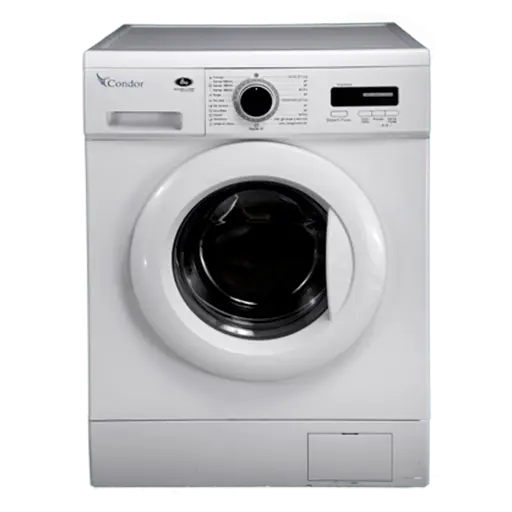 Clothes Dryer
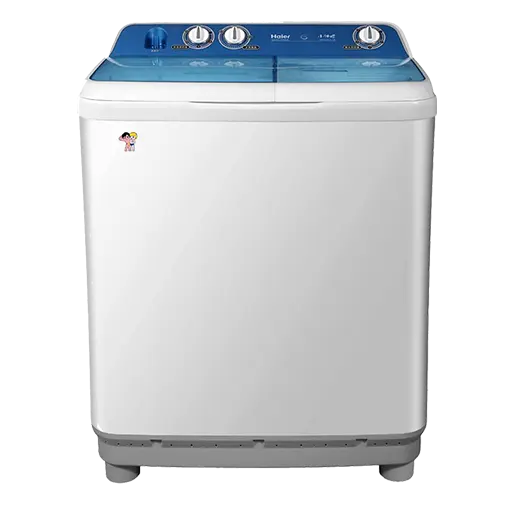 Washing and Laundary Appliances
 Soda Maker
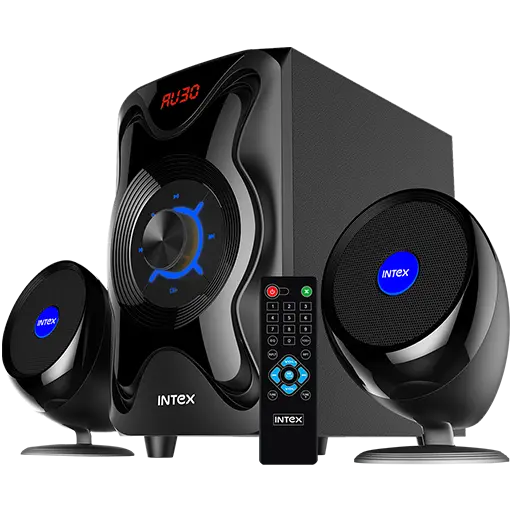 Audio System
 Freezer
 Kettle
 Juicer
 Microwave Oven
 Mixer
Mixer
 Iron Box
 Air Cooler
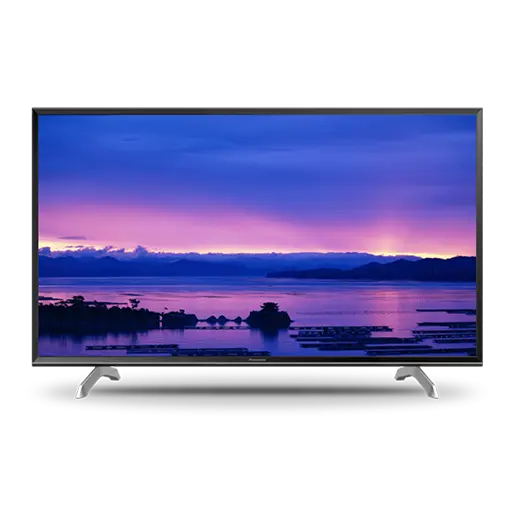 LED TV
 Refrigerator
 Air Conditioner