Grand opening, up to 15% off all items. Only 3 days left

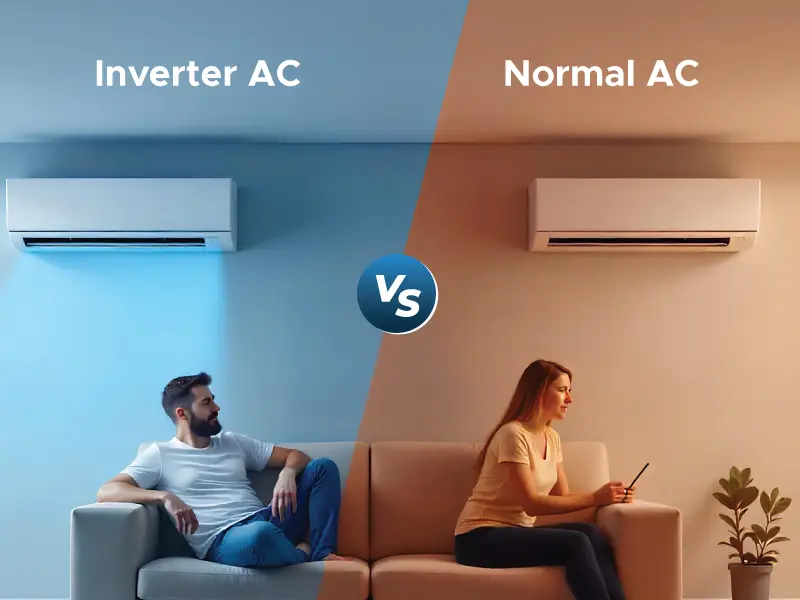
Air conditioning is one of the biggest consumers of electricity in homes and offices, especially during hot months. When choosing an air conditioner, one of the most important decisions is whether to go for an inverter AC or a normal (non-inverter) AC. While the upfront cost of inverter models tends to be higher, they promise lower electricity bills over time. In this post, we’ll explore the real differences in power consumption, performance, long-term costs, and how QRS’s offerings can help you make an informed decision.
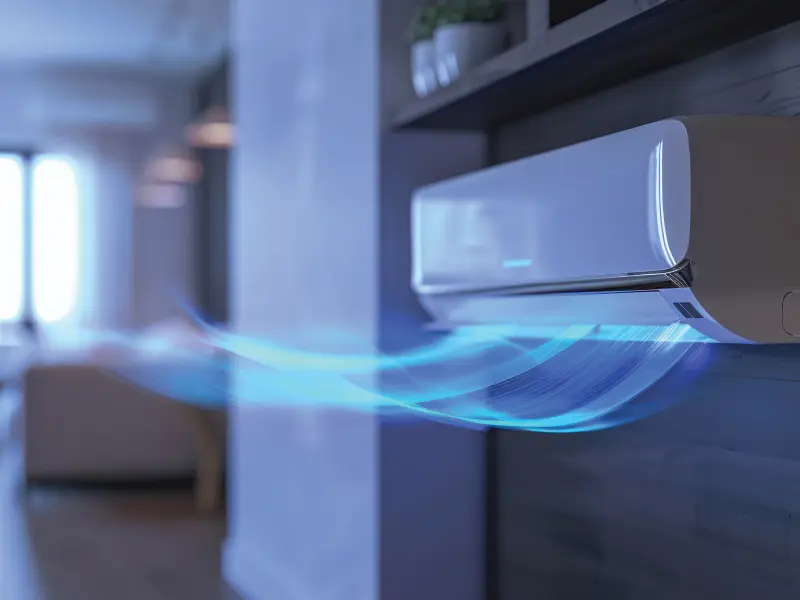
When it comes to electricity bills, the difference between inverter and normal ACs is very real. Inverter ACs operate more efficiently, avoid power surges, and maintain consistent cooling — leading to major long-term savings. Non-inverter ACs might be cheaper upfront, but for regular users, inverter models offer much greater value. For companies like QRS, promoting inverter ACs ensures customers get better performance, lower bills, and a more eco-friendly cooling solution.
We use cookies that are necessary for the smooth operation of the website, to improve our website and to display advertising relevant to you on social media platforms and partner websites. By clicking "Accept all", you agree to the use of cookies for convenience features and statistics and tracking. You can change these settings again at any time. If you do not agree, we will limit ourselves to technically necessary cookies. For more information, please see our privacy policy .
 Wet Grinder
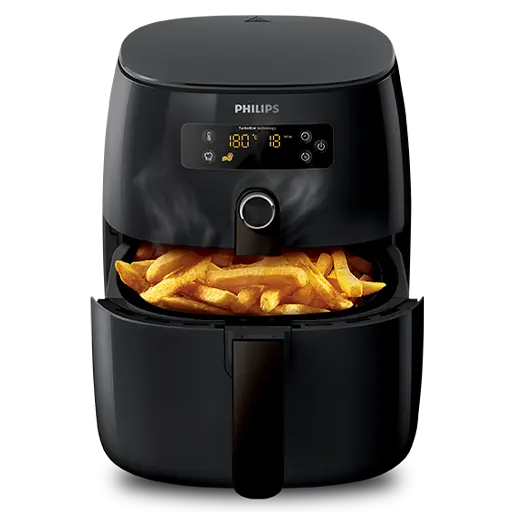 Air Fryer
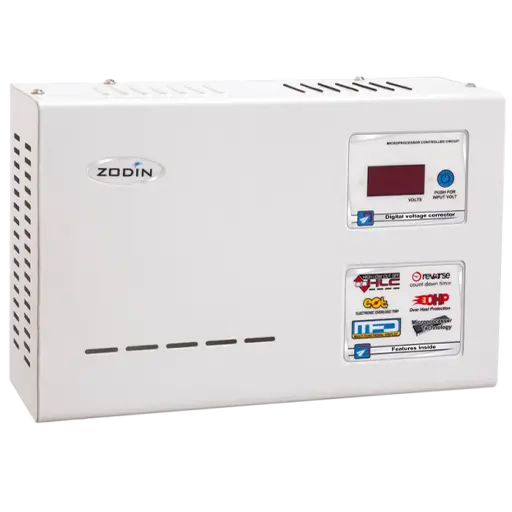 Stabilizer
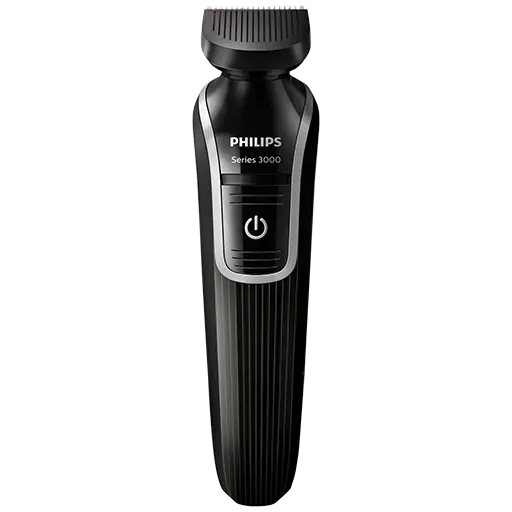 Beard Trimmer
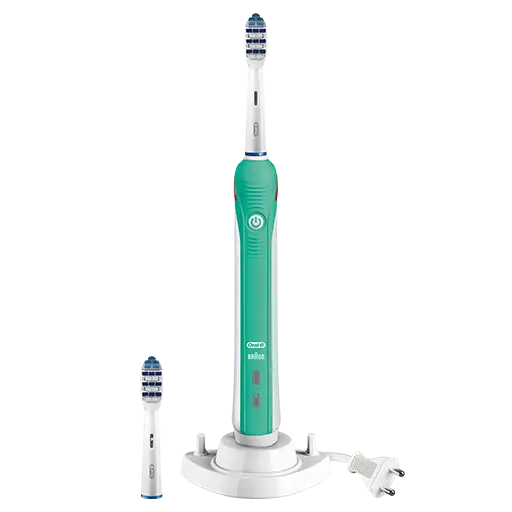 Electric Tooth Brush
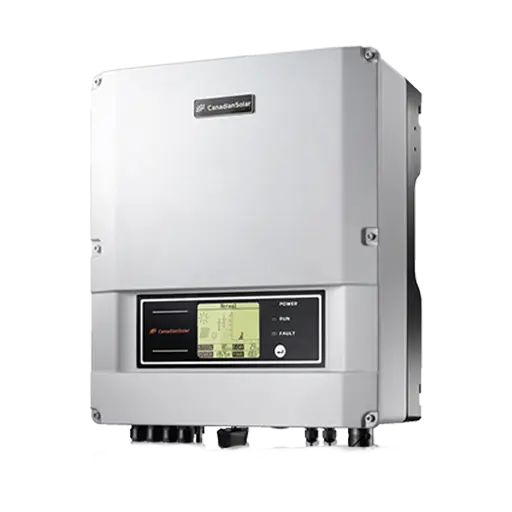 Inverter
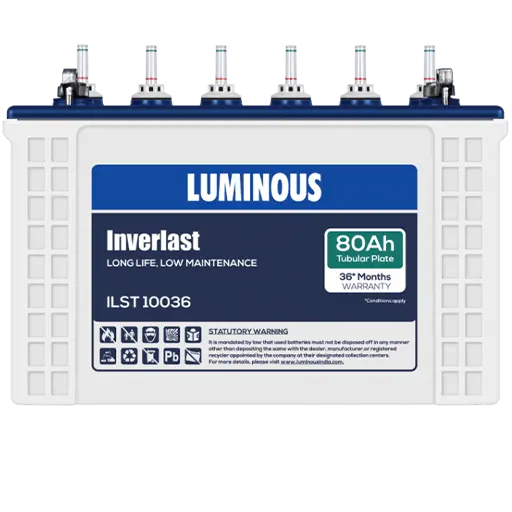 Batteries
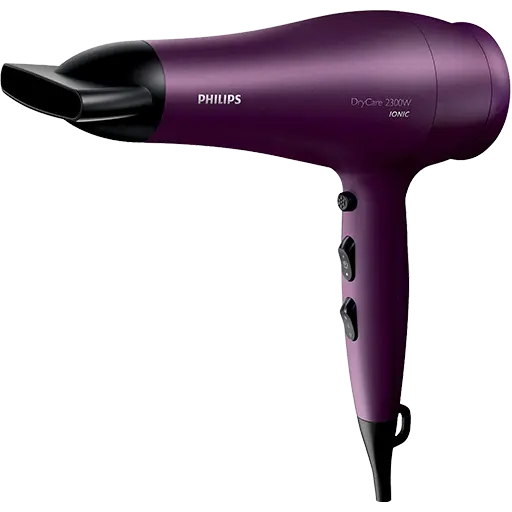 Hair Dryer
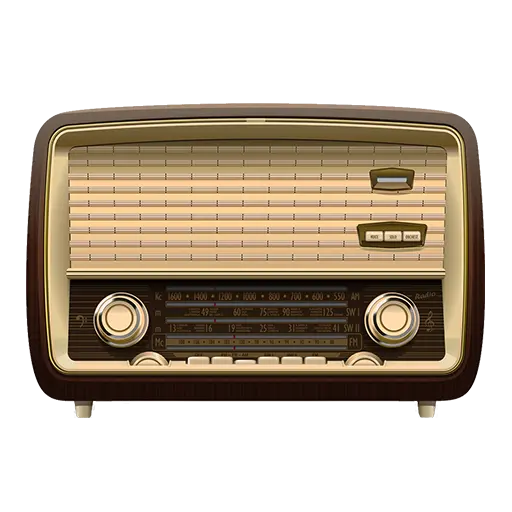 Radio
Radio
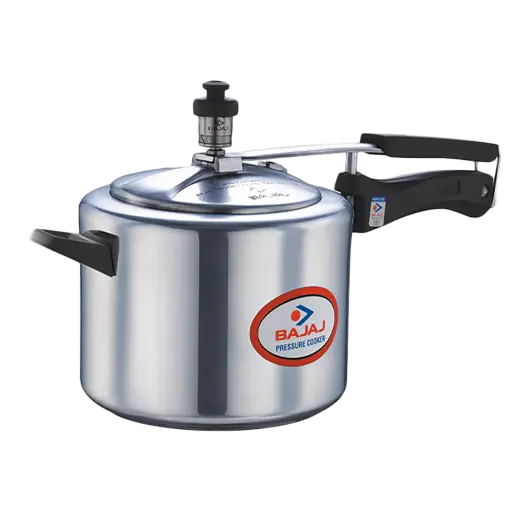 Pressure Cooker
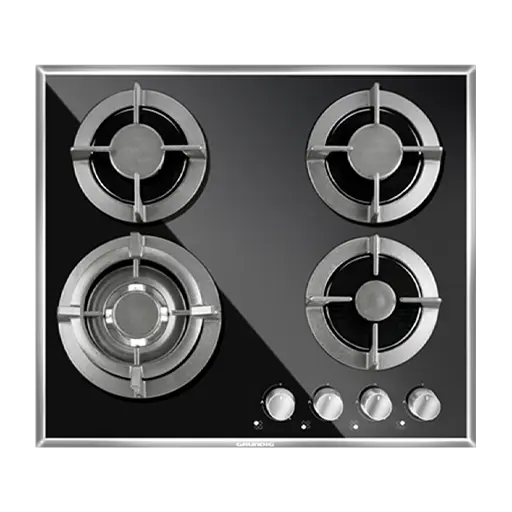 Gas Hob
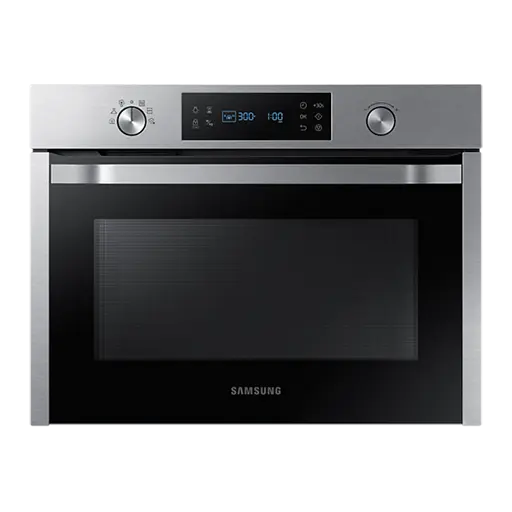 Bulit in Micro Oven
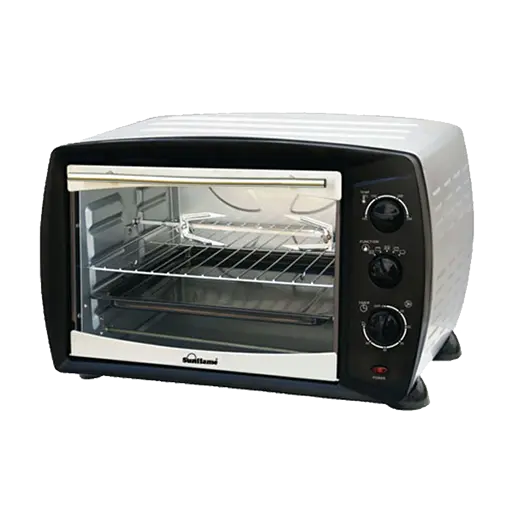 OTG-Oven
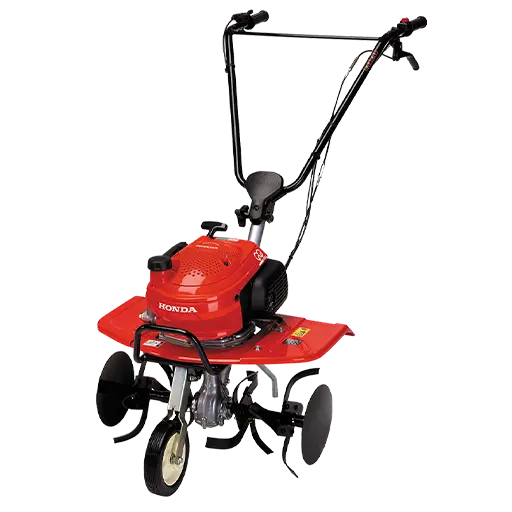 Tiller
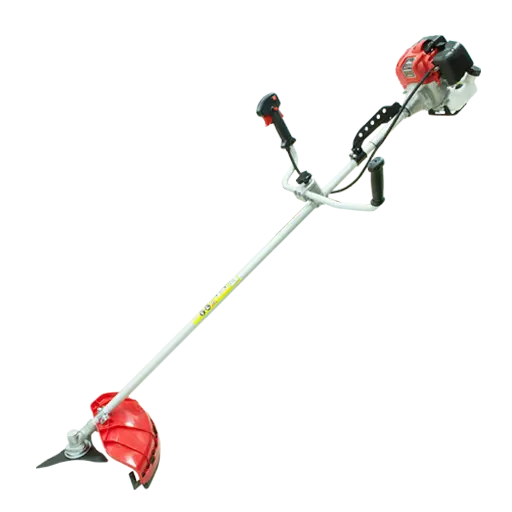 Brush Cutter
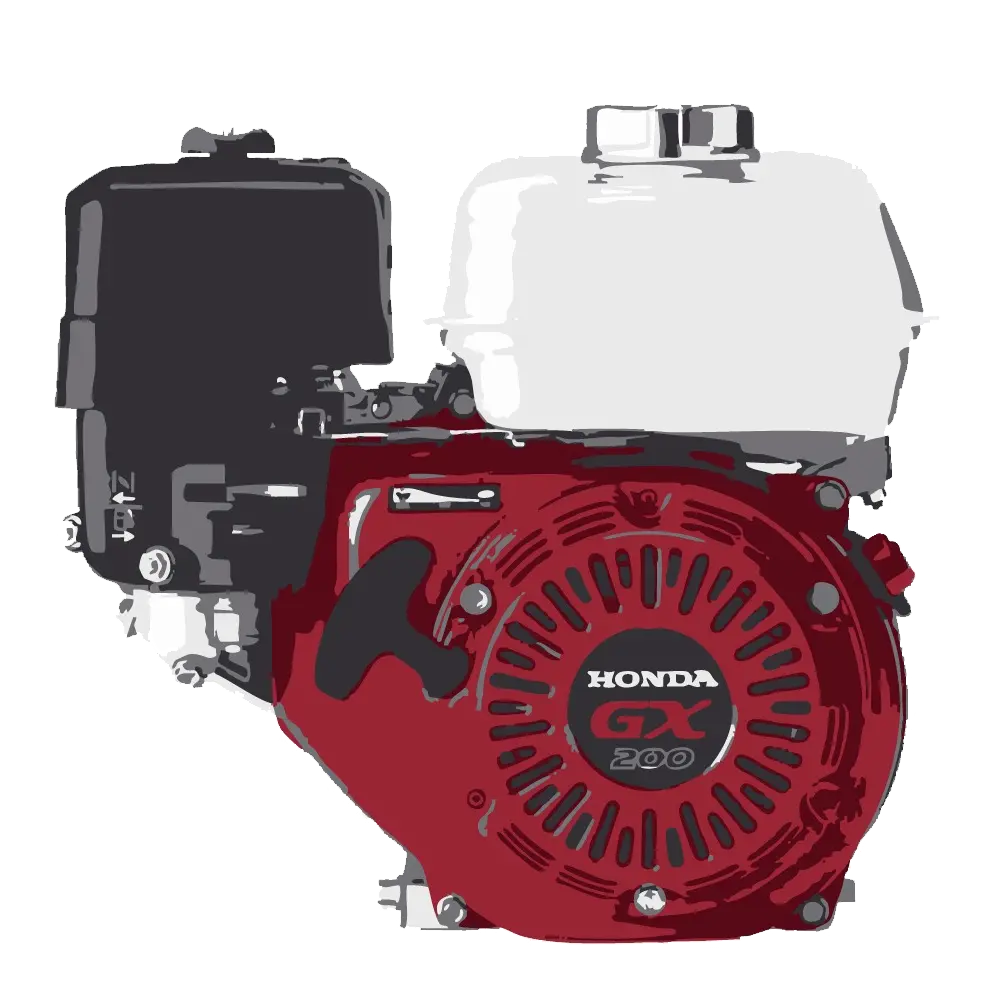 Engine
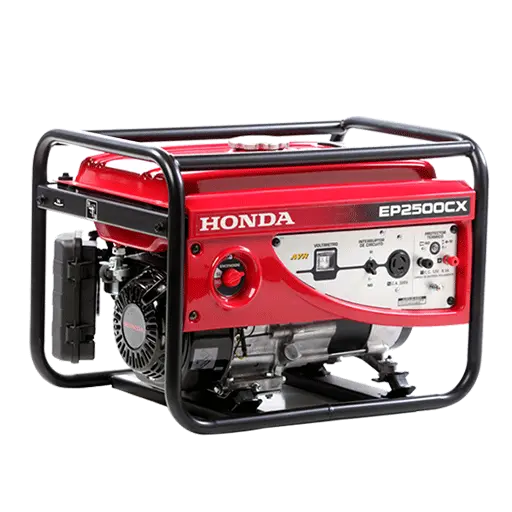 Generator
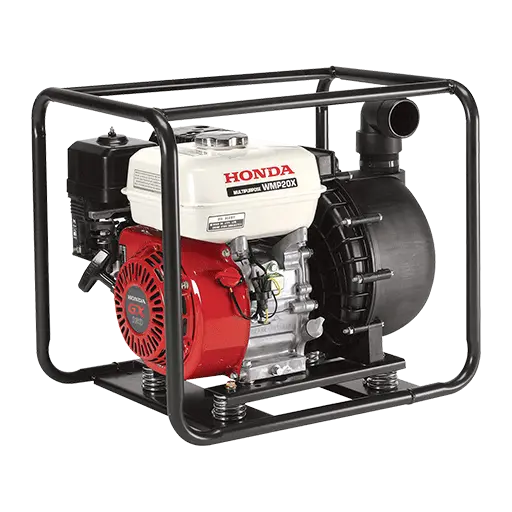 Honda Pump
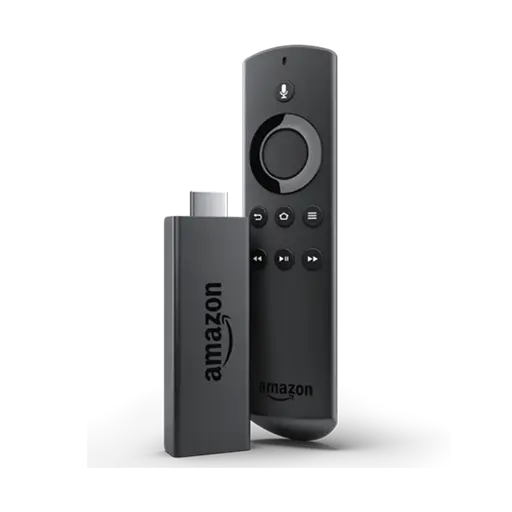 Amazon Fire TV Stick
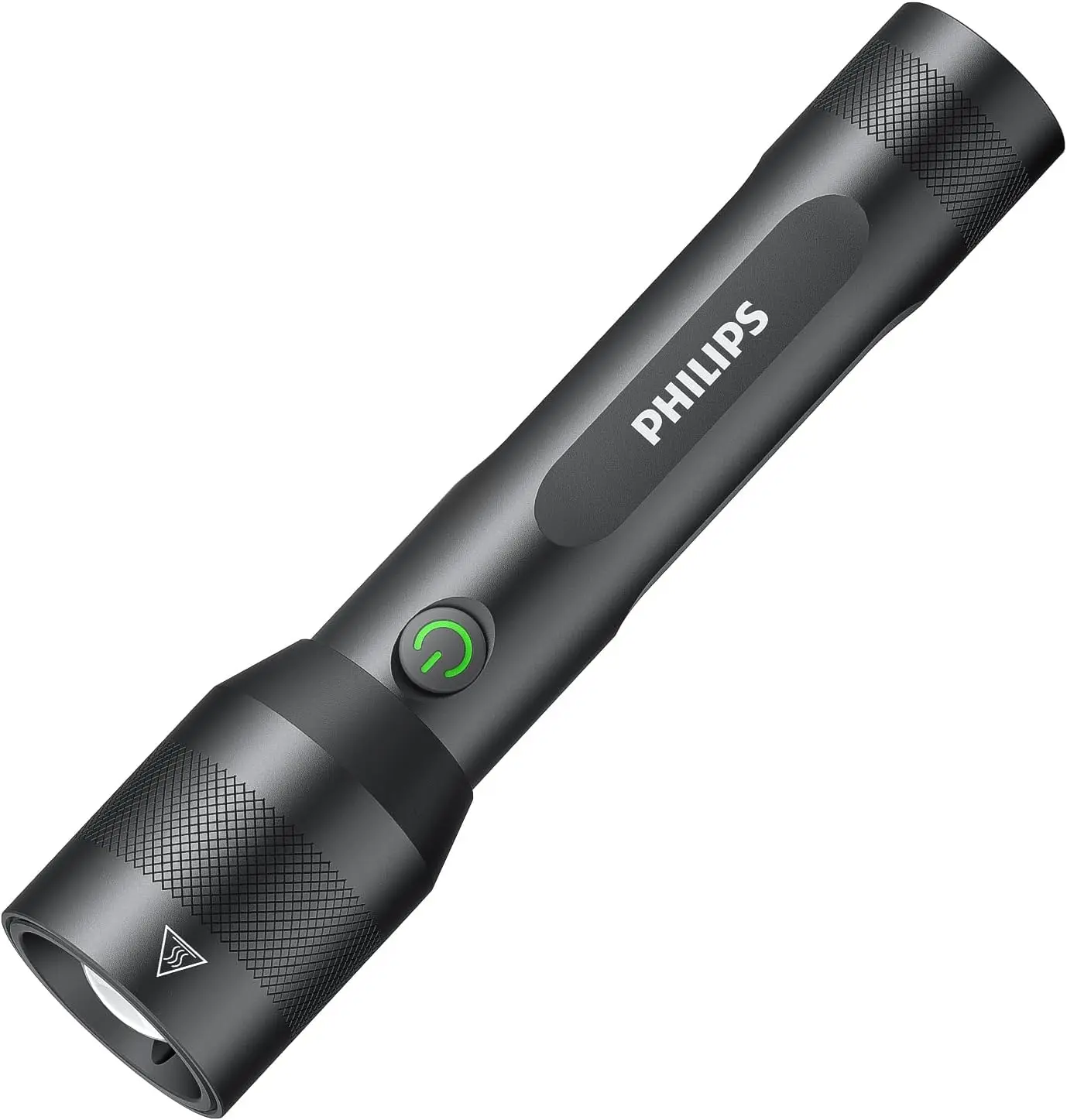 Torch Light
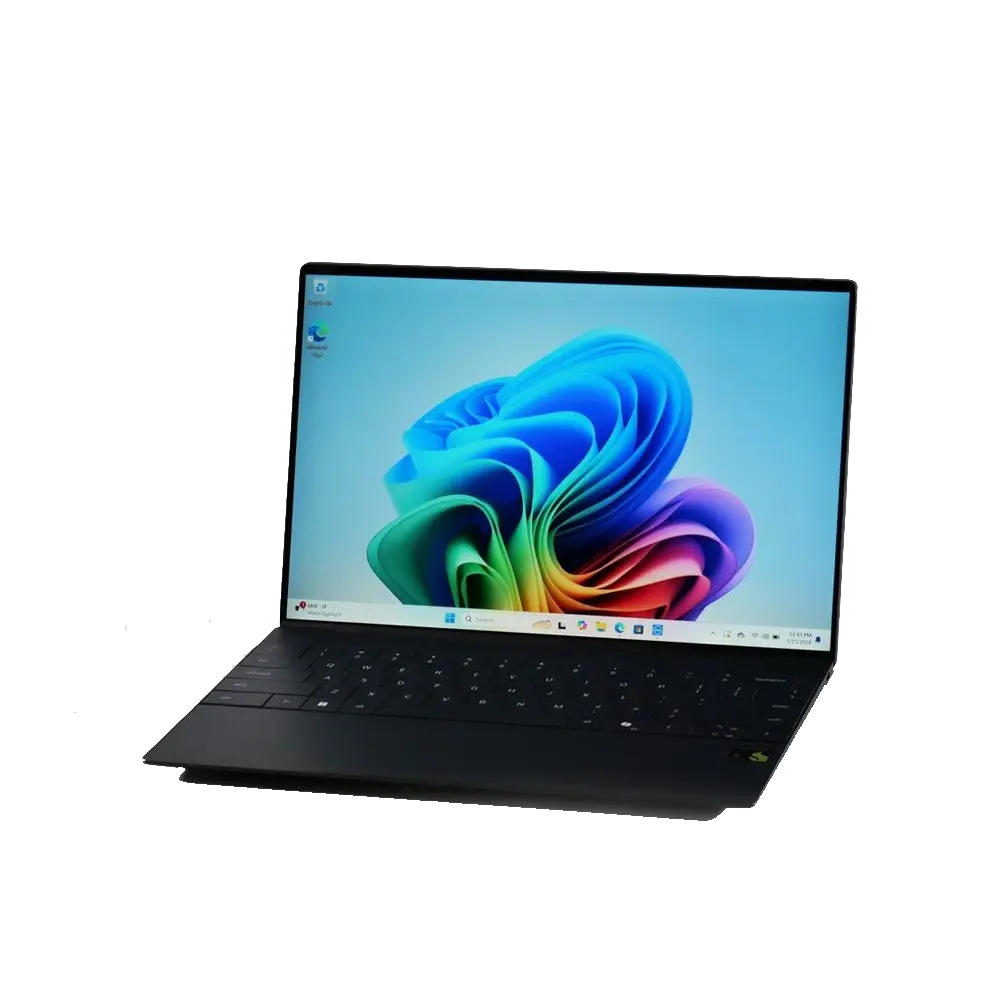 LapTop
 Instamani Noodle Maker
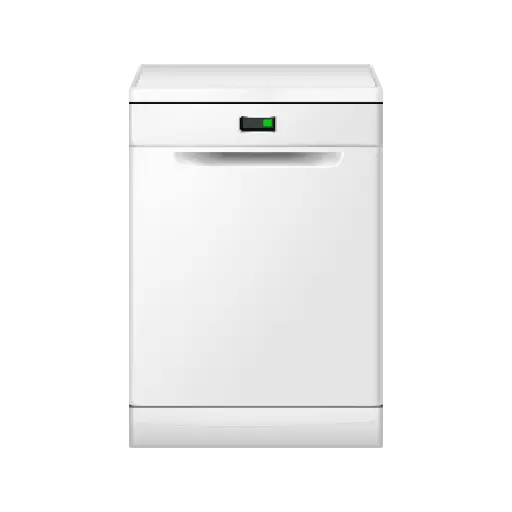 Dish Washer
 Mobile Phones
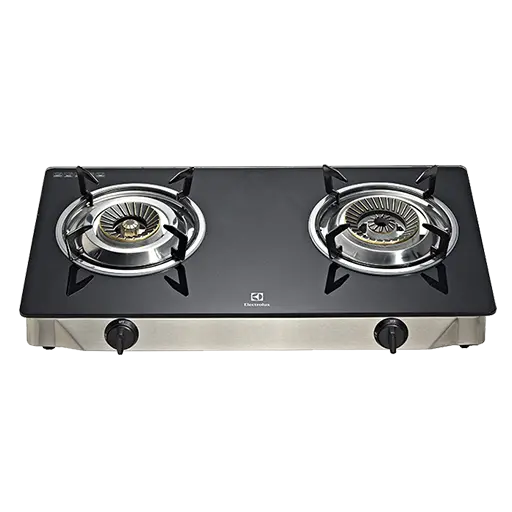 Gas Stoves
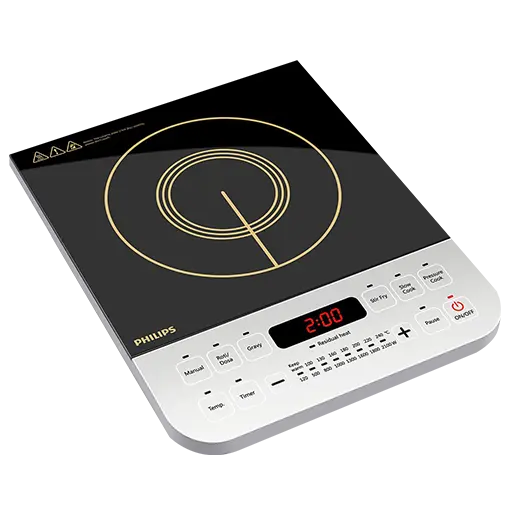 Induction Cooktop
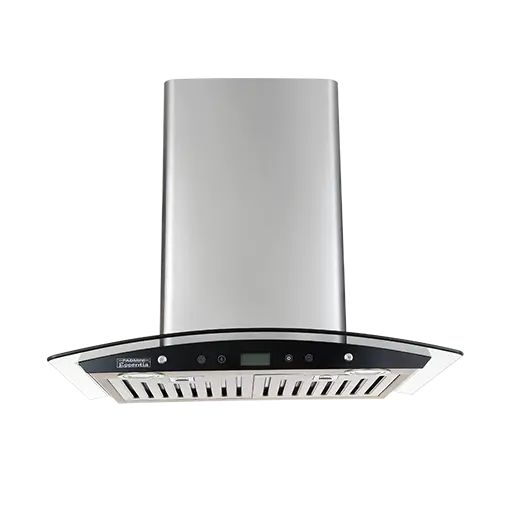 Electric Chimney
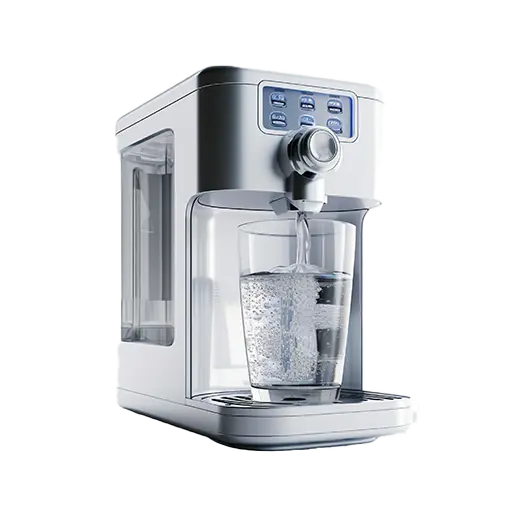 Water Cooler
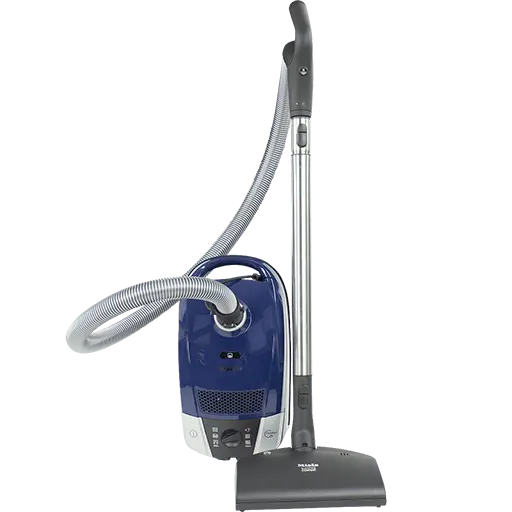 Vacuum Cleaner
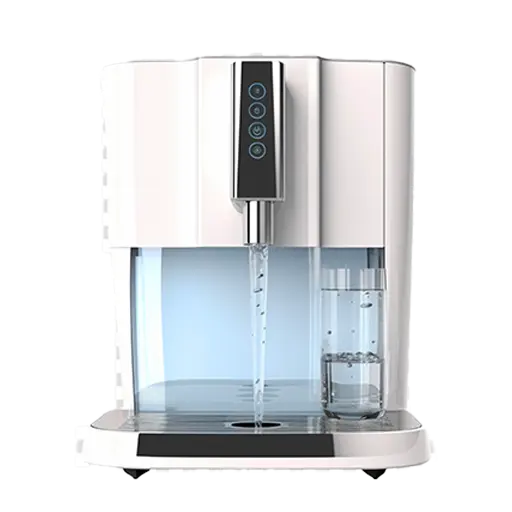 Water Purifier
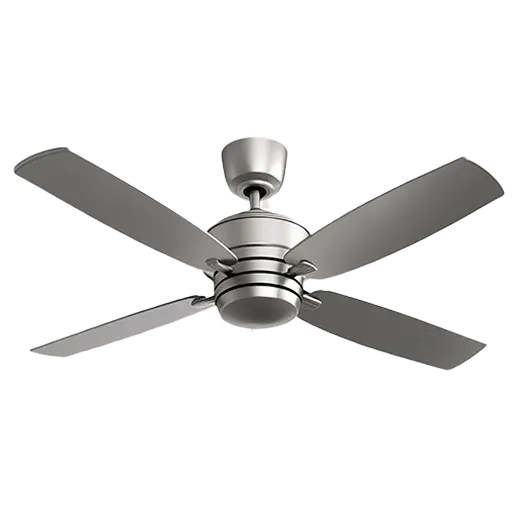 Fan
Fan
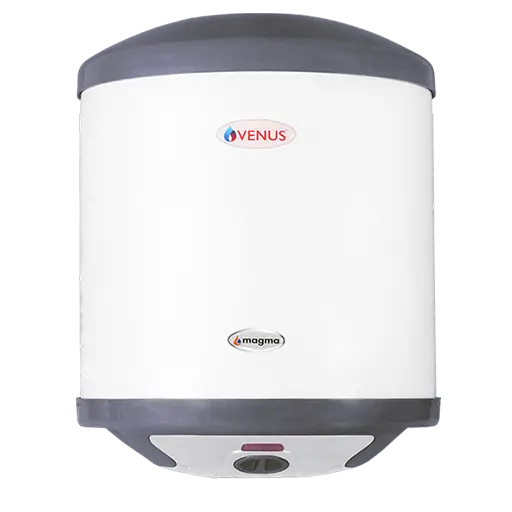 Water Heater
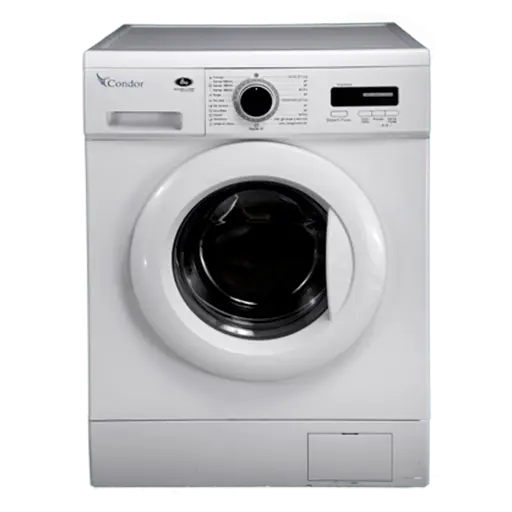 Clothes Dryer
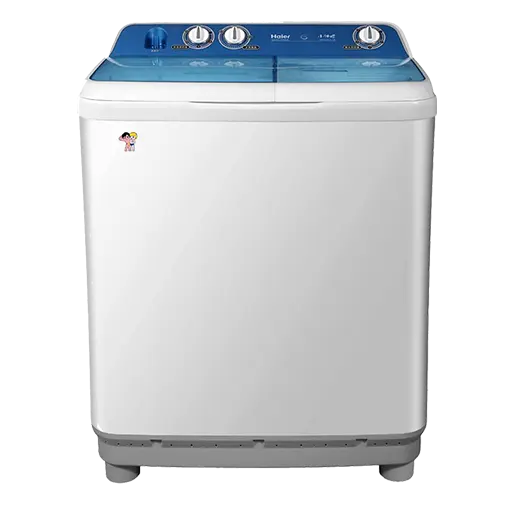 Washing and Laundary Appliances
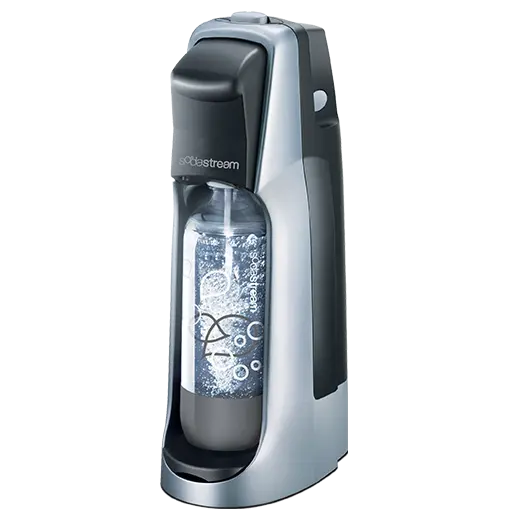 Soda Maker
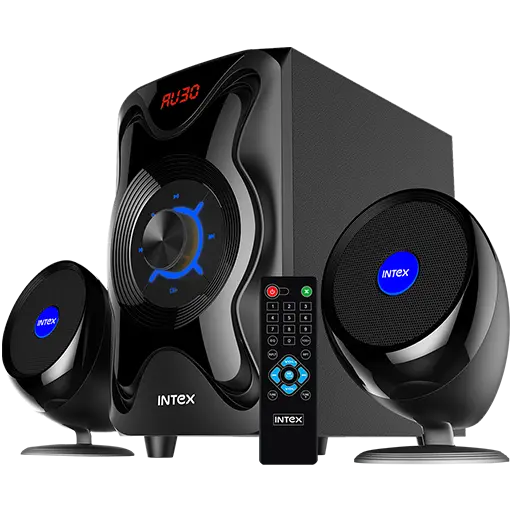 Audio System
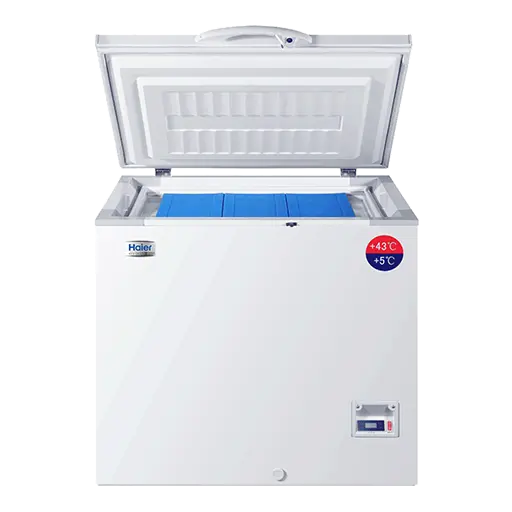 Freezer
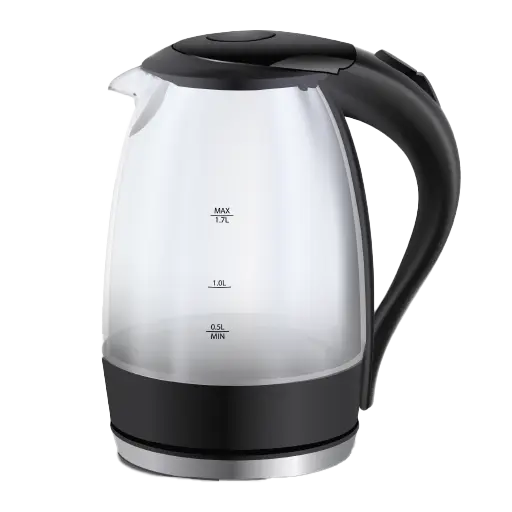 Kettle
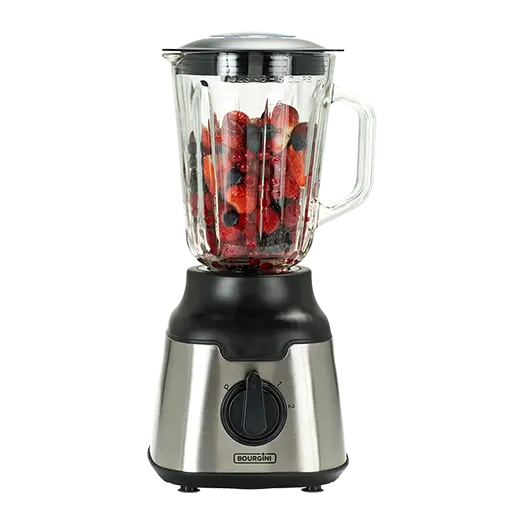 Juicer
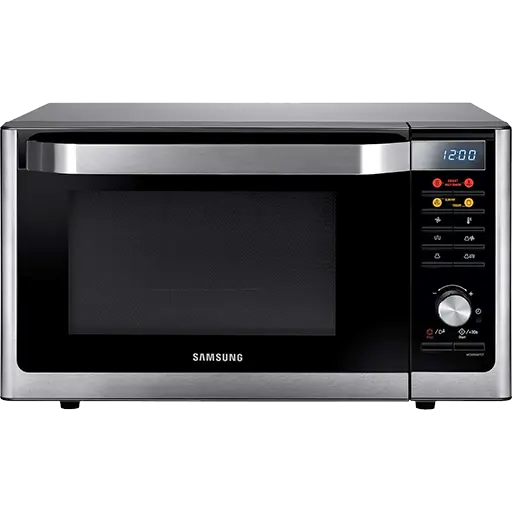 Microwave Oven
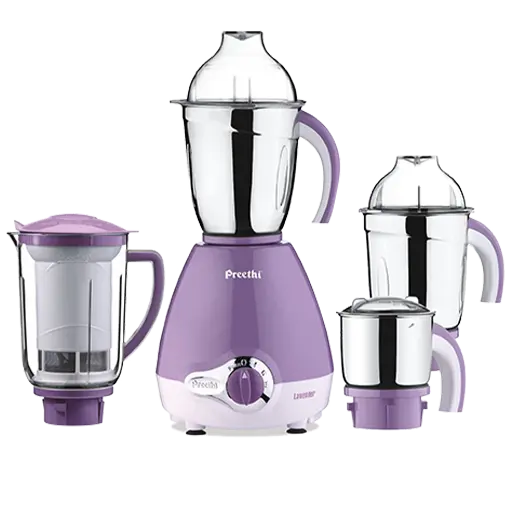 Mixer
Mixer
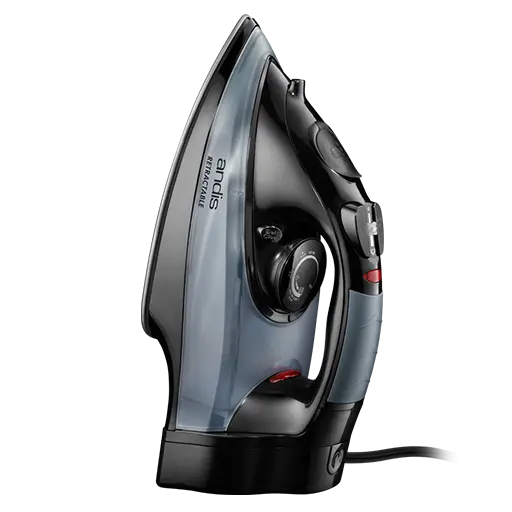 Iron Box
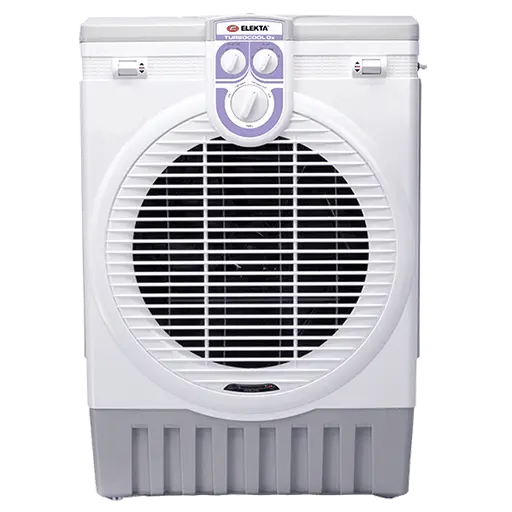 Air Cooler
 LED TV
 Refrigerator
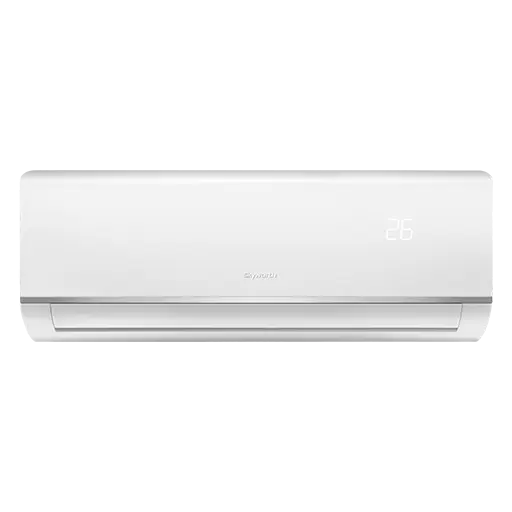 Air Conditioner