Grand opening, up to 15% off all items. Only 3 days left

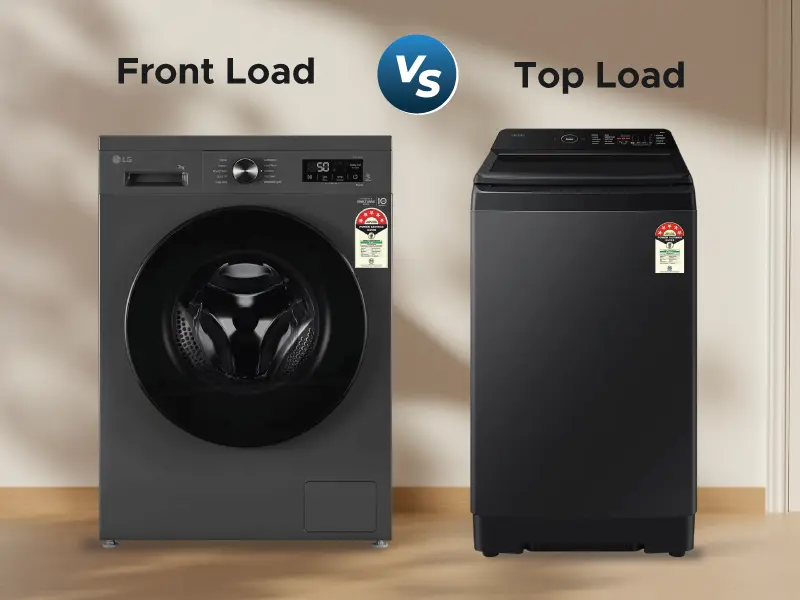
Choosing the right washing machine is one of the most important decisions for any modern home. With technology evolving fast, today’s buyers often compare two popular models — front-load and top-load washing machines. Both have their strengths, from convenience and maintenance to water usage and long-term durability.
At QRS, Kerala’s trusted electronics destination, customers get access to top washing machine brands like LG, Samsung, IFB, Bosch, Whirlpool, and more. But the real question remains: Which model actually fits your lifestyle? In this blog, we break down the key differences in performance, water efficiency, energy consumption, and lifespan to help you make a smart, future-ready purchase.
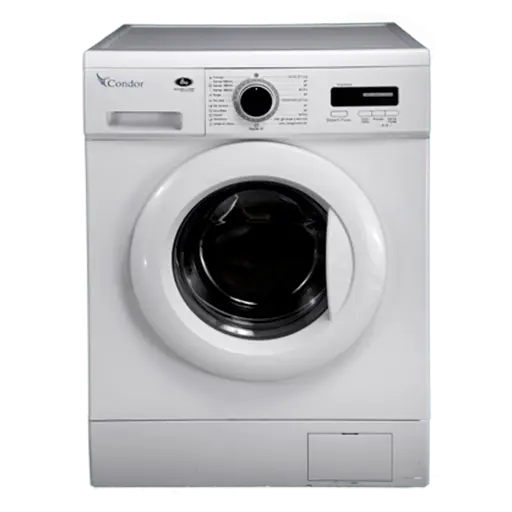
These machines feature a horizontally oriented drum accessed via a front door. Clothes tumble through a small volume of water, allowing gentle washing and efficient spinning.
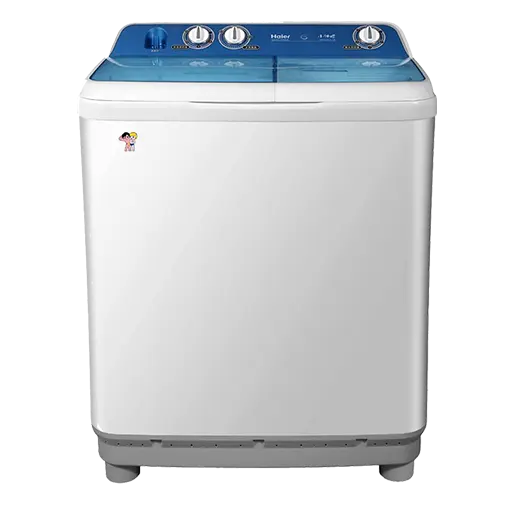
These machines feature a vertically oriented drum loaded from the top. Traditional top-loaders use an agitator or pulsator system, often requiring more water to fully submerge clothes.
Because of their mechanical design and operating principles, each type carries its own advantages and trade-offs.
One of the most important considerations for modern homes — especially in India — is water and energy usage. Front-load machines generally perform better on both counts.
Bottom line: If water conservation and low electricity bills matter to you, front-loaders are usually the better choice.
According to widely accepted industry data:
However, lifespan heavily depends on maintenance, frequency of use, load habits, and water quality. Front-loaders may incur higher repair costs due to complex components.
| Use Case / Priority | Recommended Type |
|---|---|
| You want water & energy savings with gentle fabric care | Front-Load |
| You prefer low-maintenance, fast cycles, and easy usability | Top-Load |
| Large family or bulky items like blankets | Either — choose a higher capacity |
| Compact spaces or under-counter installation | Front-Load |
| You want longer lifespan with minimal servicing | Top-Load |
| Lower long-term operating costs | Front-Load |
| Prefer simple, straightforward operation | Top-Load |
If your priority is efficiency, gentle fabric care, and lower long-term costs, a front-load washing machine is likely your best choice. If you want simplicity, affordability, and low maintenance, a top-load washing machine may be the better fit.
At the end of the day, both types — when properly maintained — can serve households for many years. The best choice depends on your lifestyle, budget, and laundry habits.
We use cookies that are necessary for the smooth operation of the website, to improve our website and to display advertising relevant to you on social media platforms and partner websites. By clicking "Accept all", you agree to the use of cookies for convenience features and statistics and tracking. You can change these settings again at any time. If you do not agree, we will limit ourselves to technically necessary cookies. For more information, please see our privacy policy .
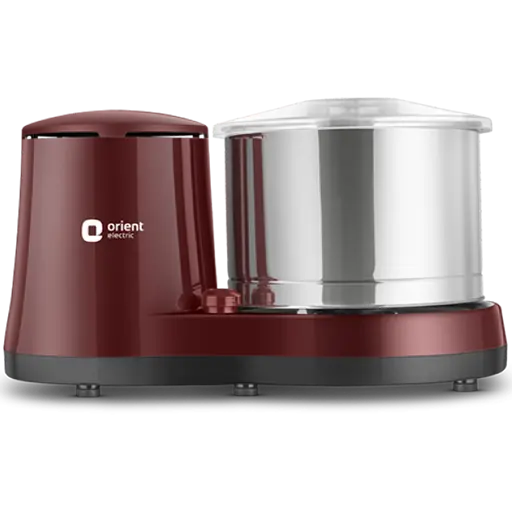 Wet Grinder
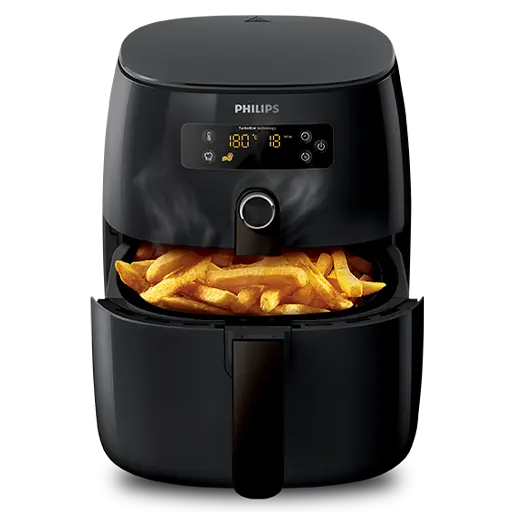 Air Fryer
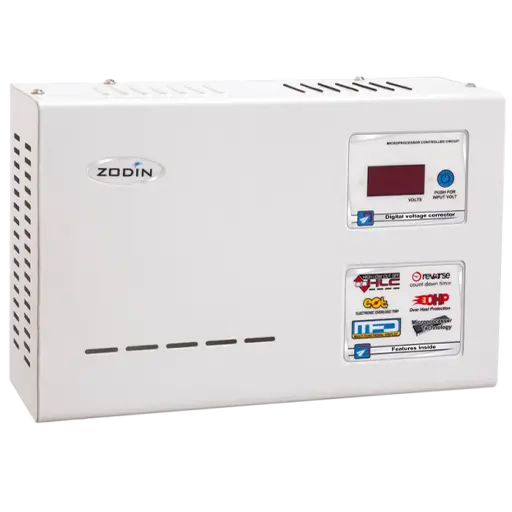 Stabilizer
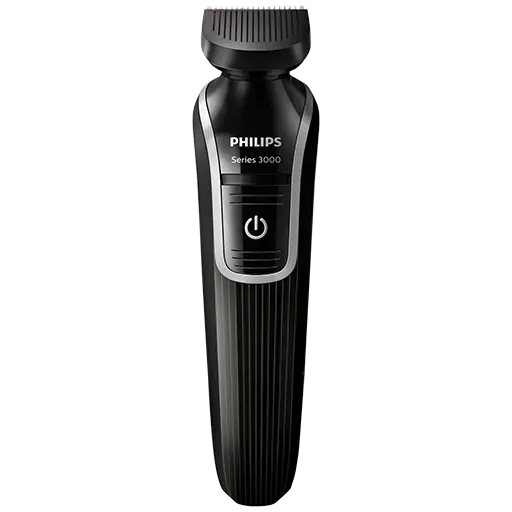 Beard Trimmer
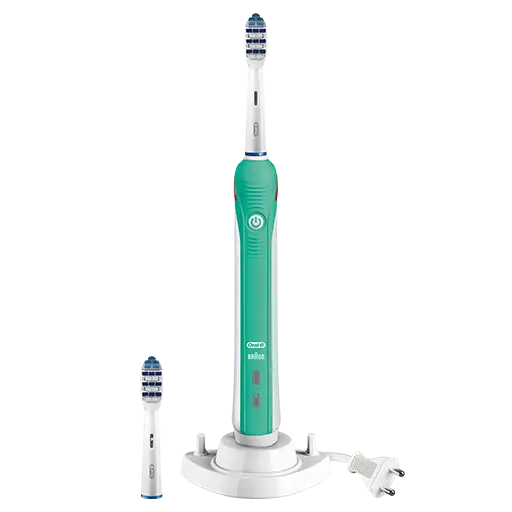 Electric Tooth Brush
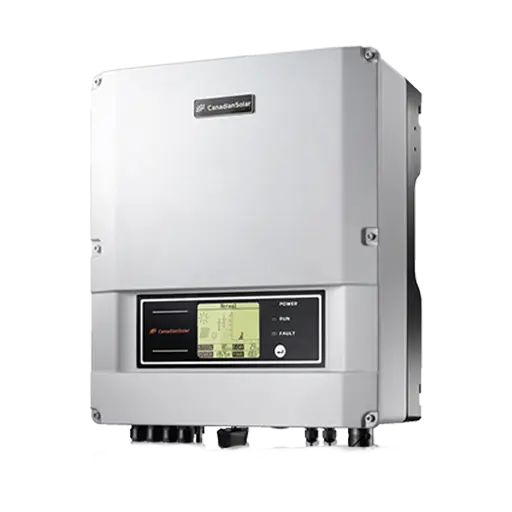 Inverter
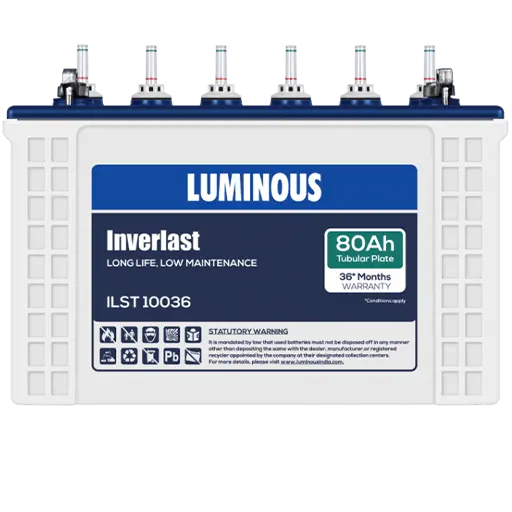 Batteries
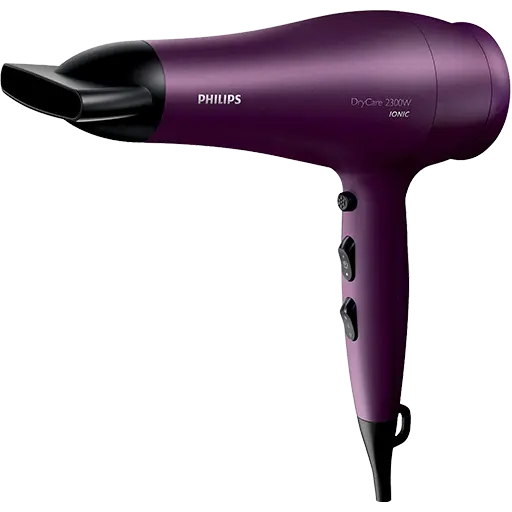 Hair Dryer
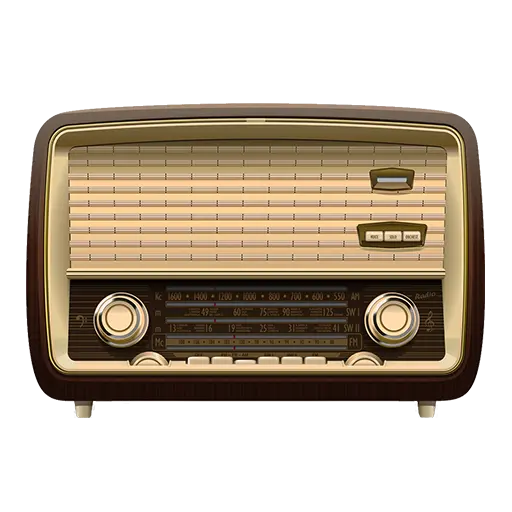 Radio
Radio
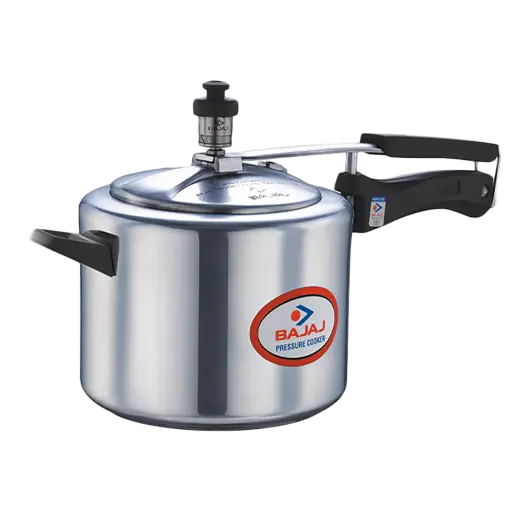 Pressure Cooker
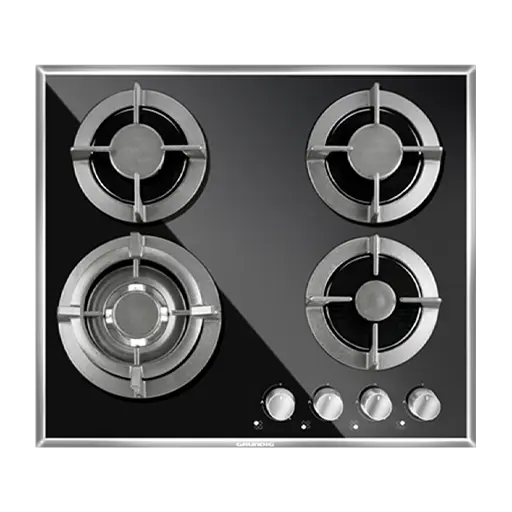 Gas Hob
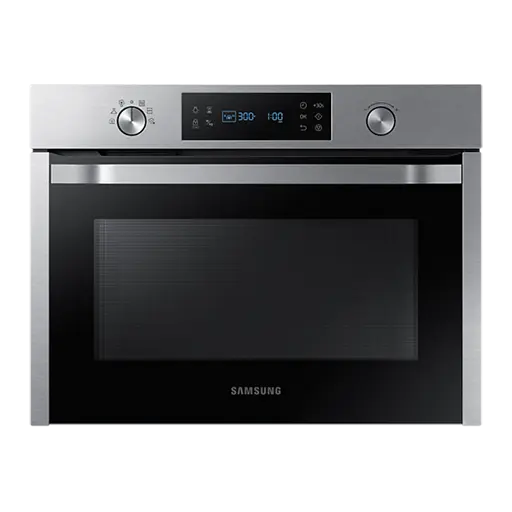 Bulit in Micro Oven
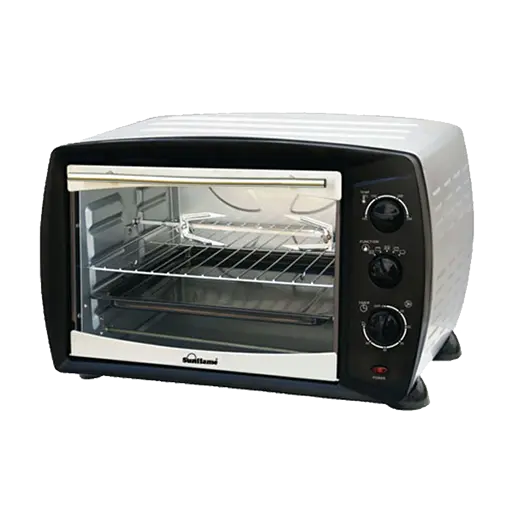 OTG-Oven
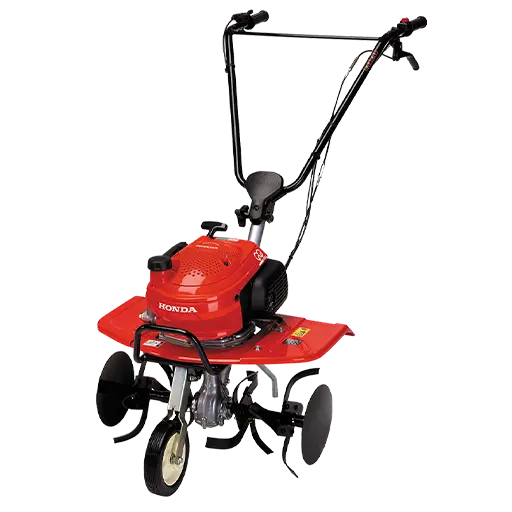 Tiller
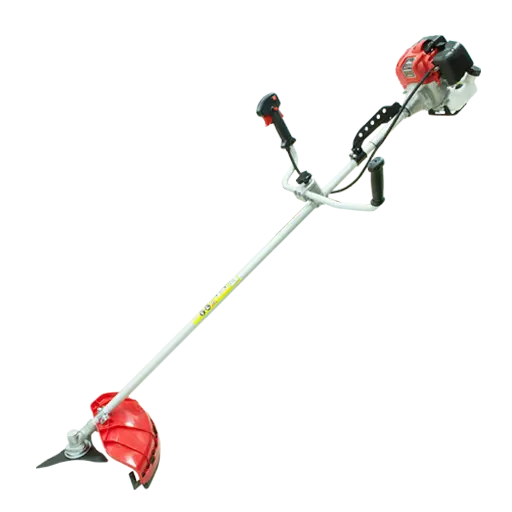 Brush Cutter
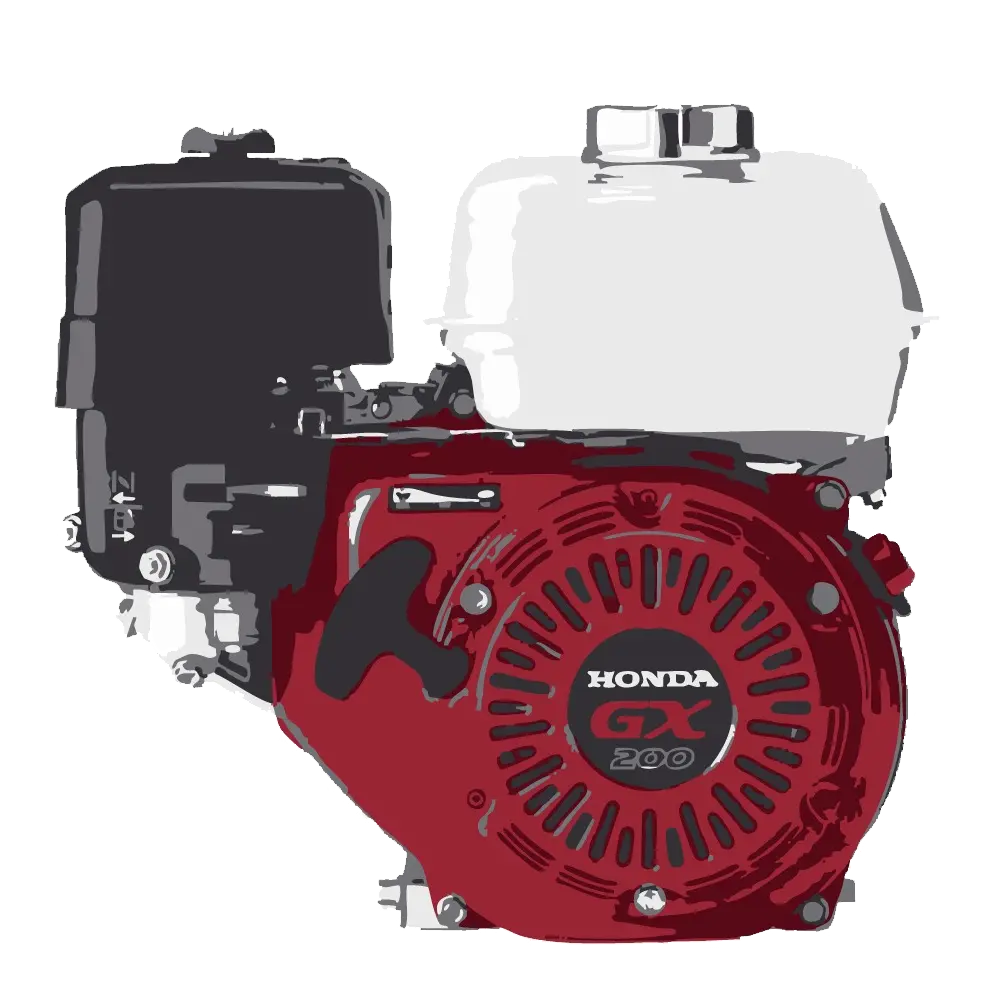 Engine
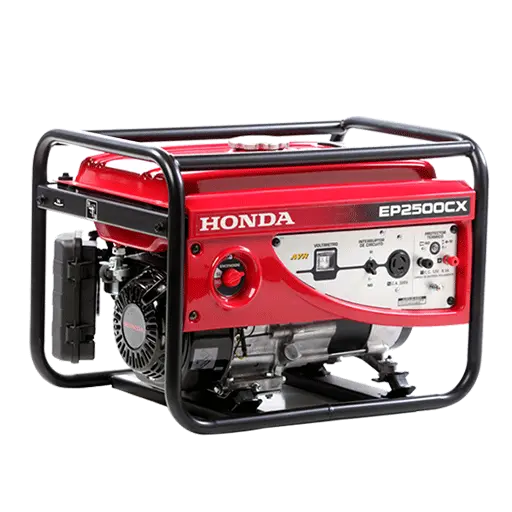 Generator
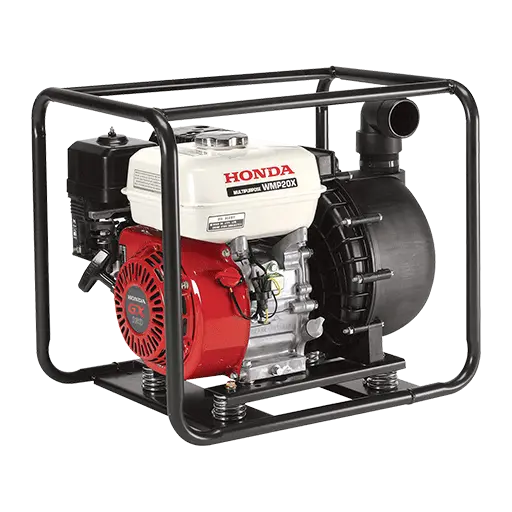 Honda Pump
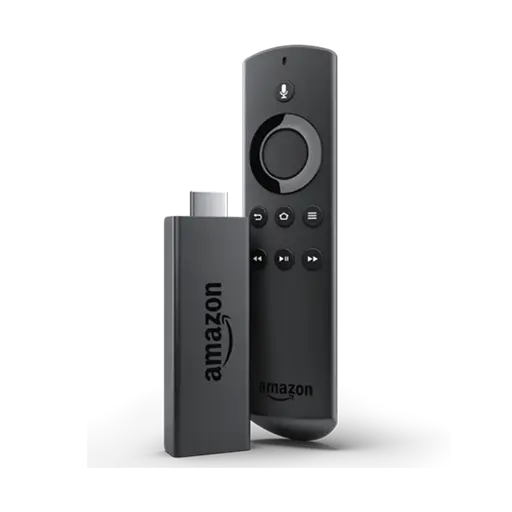 Amazon Fire TV Stick
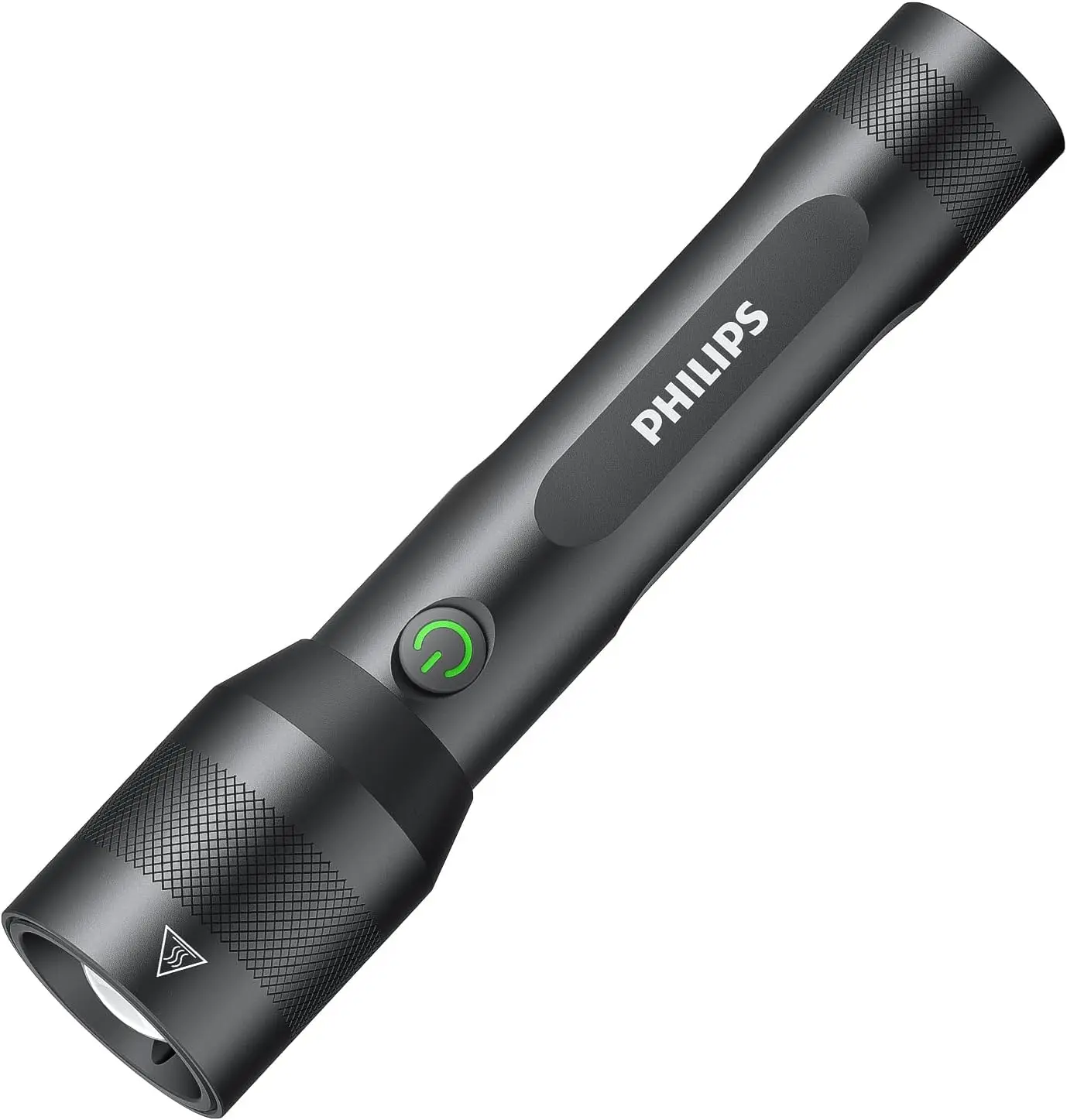 Torch Light
 LapTop
 Instamani Noodle Maker
 Dish Washer
 Mobile Phones
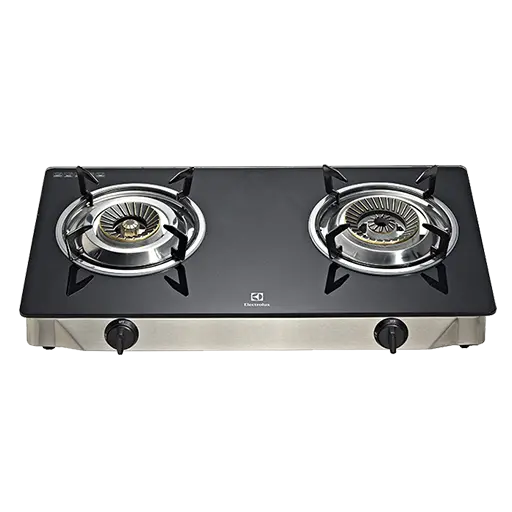 Gas Stoves
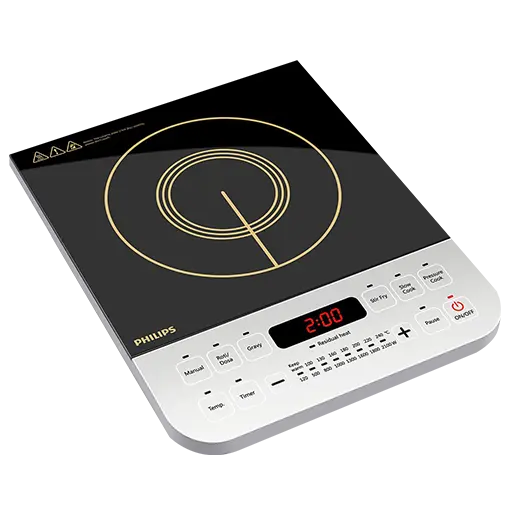 Induction Cooktop
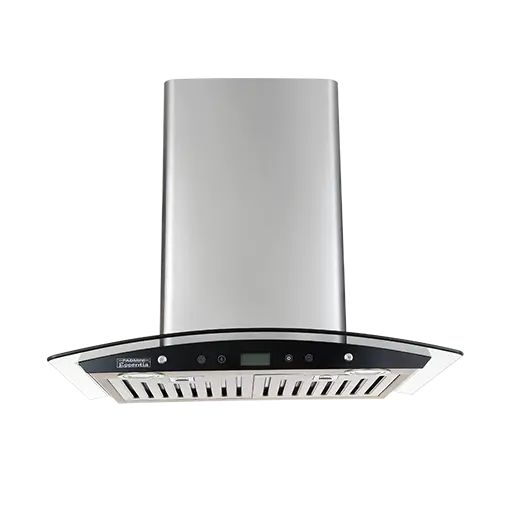 Electric Chimney
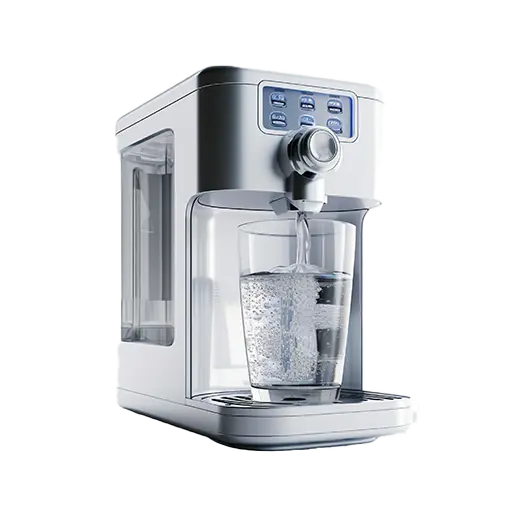 Water Cooler
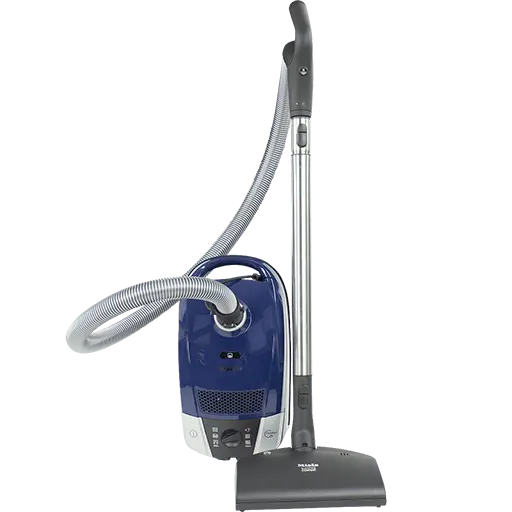 Vacuum Cleaner
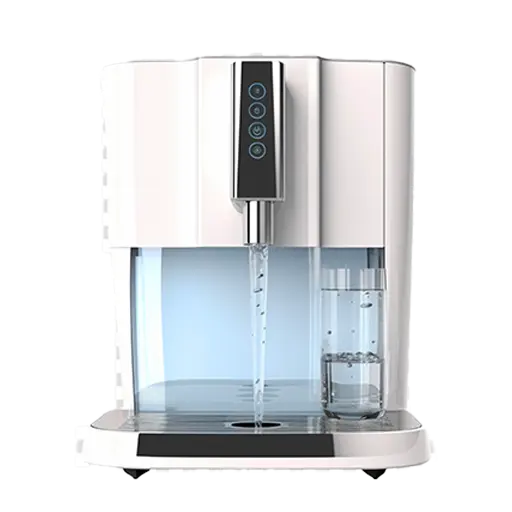 Water Purifier
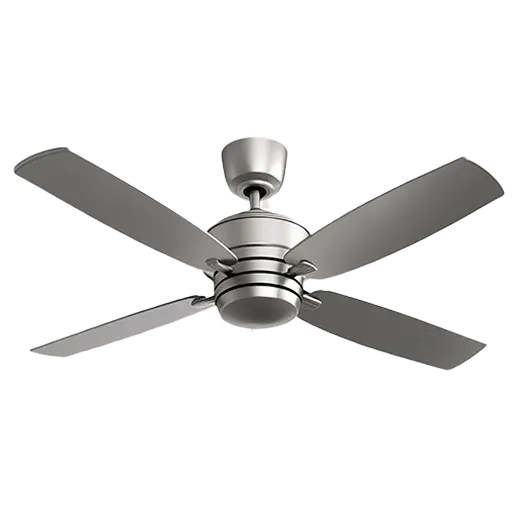 Fan
Fan
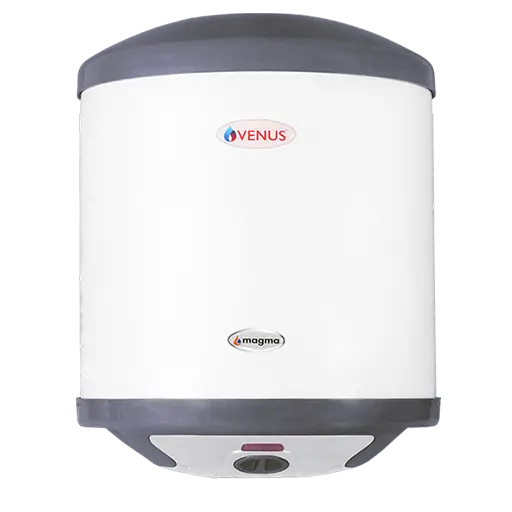 Water Heater
 Clothes Dryer
 Washing and Laundary Appliances
 Soda Maker
 Audio System
 Freezer
 Kettle
 Juicer
 Microwave Oven
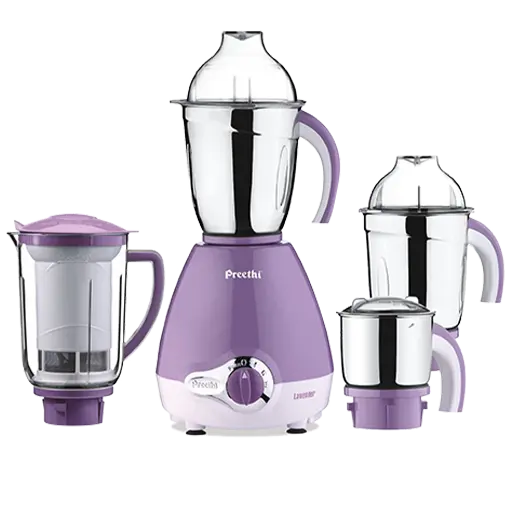 Mixer
Mixer
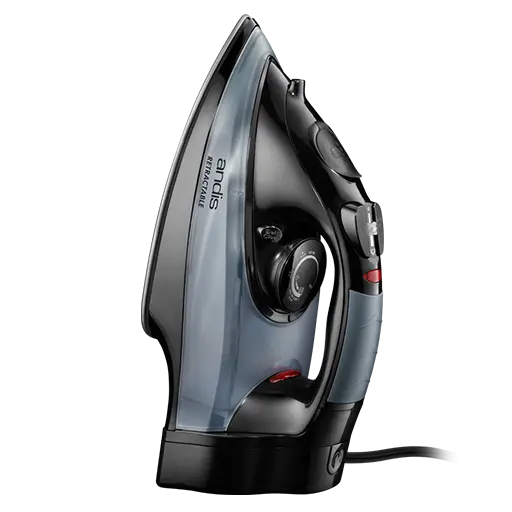 Iron Box
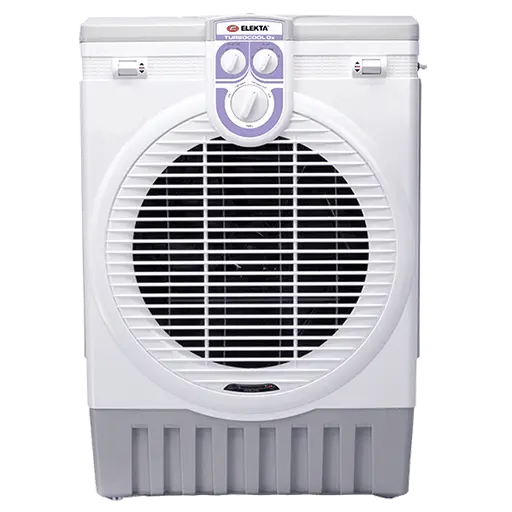 Air Cooler
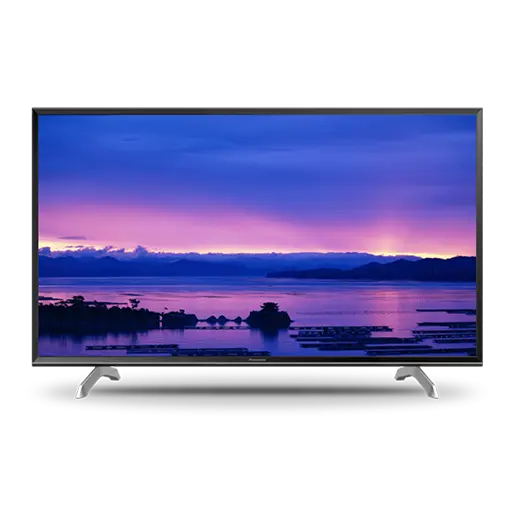 LED TV
 Refrigerator
 Air Conditioner